
Have you ever wondered what it would be like to never worry about your car’s tire pressure again? Imagine driving with perfectly inflated tires all the time, improving your safety, fuel efficiency, and tire life without lifting a finger.
Auto inflating tires make this possible by automatically adjusting the air pressure as you drive. You’ll discover exactly how these smart tires work and why they could be the game-changer your vehicle needs. Keep reading to learn how this technology can take the hassle out of tire maintenance and keep you rolling smoothly.
Auto Inflating Tire Basics
Auto inflating tires keep the right air pressure without manual checks. They fill air automatically when pressure drops.
This technology helps improve safety and saves time on tire maintenance.
What Are Smart Tires
Smart tires have sensors that monitor tire pressure and temperature. They send data to the vehicle or driver.
These tires can alert drivers about low air pressure or other issues. Some smart tires can adjust pressure on their own.
Key Components Of Auto Inflating Systems
Auto inflating systems include parts that detect pressure and add air automatically. They keep tires at the best pressure.
Common components include sensors, air reservoirs, valves, and pumps.
- Sensors:Measure tire pressure and temperature constantly.
- Air Reservoir:Stores extra air to fill tires when needed.
- Valves:Open to let air into the tire automatically.
- Pumps:Move air from the reservoir to the tire if pressure is low.

Credit: www.youtube.com
Mechanics Behind Auto Inflation
Auto inflating tires keep the right air pressure automatically. They improve safety and tire life.
The system uses sensors, air supply, and seals to work without driver effort.
Pressure Sensors And Monitoring
Pressure sensors measure the air pressure inside the tire. They send data to a control unit.
If pressure drops below a set level, the system activates air supply to fill the tire.
Air Supply And Regulation
The air supply comes from a small compressor or compressed air tank. It pushes air into the tire.
- The compressor turns on only when needed to save energy.
- A regulator controls the air flow to prevent overinflation.
- Valves open and close to let air in and keep it sealed.
Sealing And Leak Prevention
The system uses strong seals to keep air inside the tire. These seals prevent leaks during movement.
| Component | Purpose |
| Sealing Rings | Keep air tight at connection points |
| Valve Caps | Protect valve from dirt and damage |
| Flexible Hoses | Allow air flow without leaks during wheel rotation |
Benefits Of Auto Inflating Tires
Auto inflating tires keep the right air pressure all the time. They fill air automatically when pressure gets low. This helps tires work better and last longer.
Many drivers do not check tire pressure often. Auto inflating tires fix this problem by making sure tires stay at the best pressure.
Improved Fuel Efficiency
Tires with the right pressure use less fuel. Underinflated tires create more drag and waste gas. Auto inflating tires keep pressure steady.
This means cars use fuel more efficiently. Drivers can save money on gas and reduce harmful emissions.
Enhanced Safety
Properly inflated tires improve vehicle control. They help with better traction and shorter stopping distances. Auto inflating tires keep pressure at safe levels.
This reduces the chance of tire blowouts and accidents caused by low tire pressure. Drivers feel safer on the road.
Extended Tire Life
Low tire pressure causes uneven wear and damages tires faster. Auto inflating tires keep pressure correct to prevent this damage.
Proper pressure means tires last longer. Drivers spend less money replacing tires and get better performance.
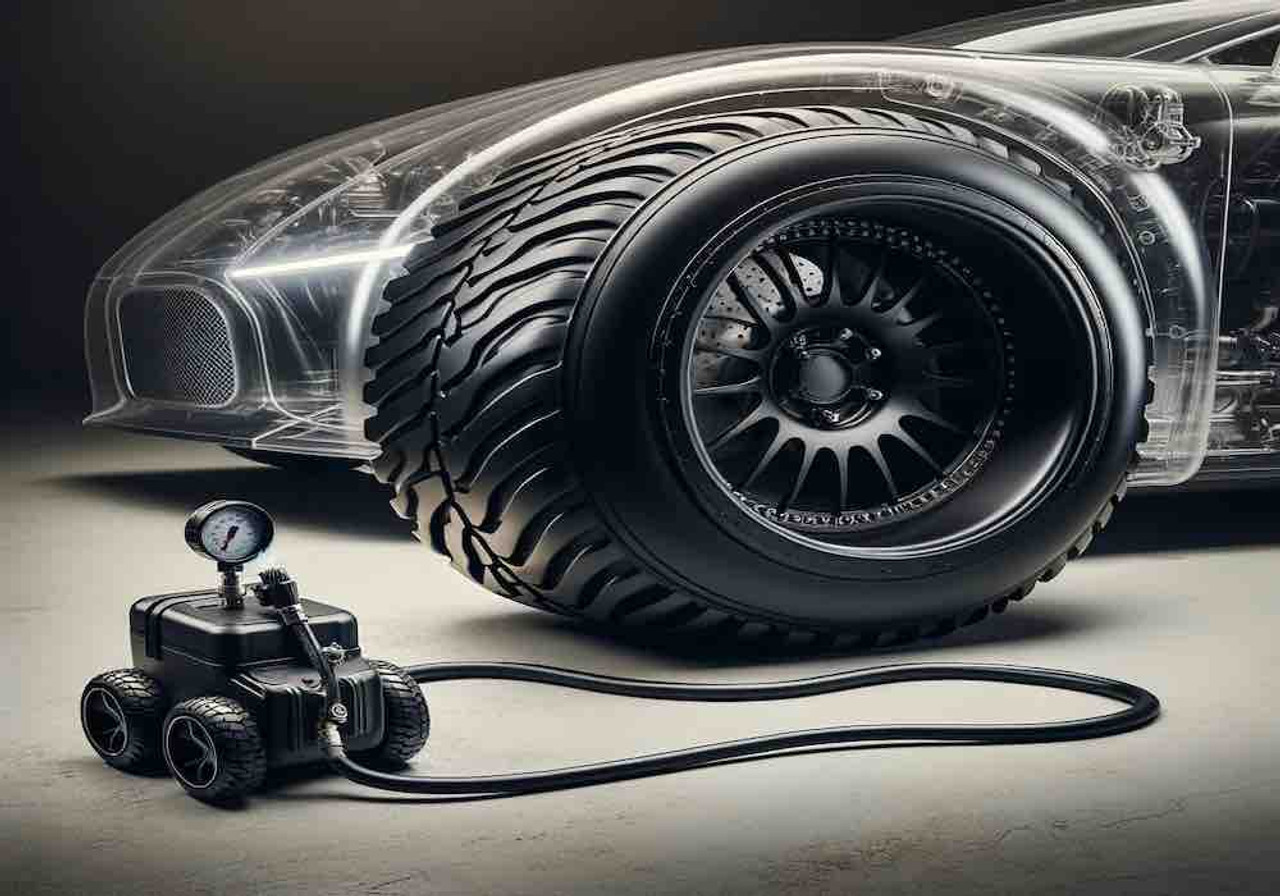
Credit: tendsupplies.com
Installation And Maintenance
Auto inflating tires keep the right air pressure automatically. Proper installation and regular care help them work well.
Understanding how to fit and maintain smart tires can save time and improve safety on the road.
Fitting Smart Tires On Vehicles
Installing smart tires requires careful fitting to ensure sensors work correctly. The process starts by removing old tires safely.
Technicians mount the smart tire and connect its inflation system to the vehicle’s air supply. This connection allows the tire to adjust pressure automatically.
- Remove the old tire and clean the rim
- Place the smart tire on the rim carefully
- Connect the inflation tube to the vehicle’s air system
- Check that sensors are properly attached and working
- Balance the tire to avoid vibrations
Routine Checks And Upkeep
Regular checks keep auto inflating tires in good shape. These checks help spot any leaks or sensor problems early.
Cleaning the tire valves and inspecting the inflation system are important parts of upkeep. Checking sensor batteries ensures long-term operation.
- Look for air leaks around the valve and rim
- Clean the valve area to prevent dirt buildup
- Test the inflation system for proper pressure changes
- Replace sensor batteries as recommended by the manufacturer
- Monitor tire pressure regularly using the vehicle’s display
Challenges And Limitations
Auto inflating tires offer convenience by maintaining tire pressure automatically. Yet, they come with some challenges and limits. These factors affect their use and acceptance in the market.
This section looks at cost factors, compatibility issues, and environmental impact linked to auto inflating tires.
Cost Factors
Auto inflating tire systems add extra costs to a vehicle. The parts and installation increase the price. Maintenance can also be more expensive than regular tires.
- Initial purchase price of the system
- Installation fees
- Periodic maintenance and repairs
- Replacement parts cost
- Potential increase in fuel consumption due to added weight
Compatibility Issues
Not all vehicles can use auto inflating tires easily. Some cars need special fittings or modifications. This limits how widely the systems can be applied.
| Vehicle Type | Compatibility Level | Notes |
| Passenger Cars | Medium | May require adapter kits |
| Trucks | High | Often compatible with aftermarket options |
| Motorcycles | Low | Rarely compatible due to size constraints |
| Electric Vehicles | Medium | Compatibility varies by model |
Environmental Impact
Auto inflating tires help reduce tire wear and improve fuel efficiency. Still, the system parts use materials that may harm the environment. Disposal of old components is also a concern.
- Use of plastics and metals in system parts
- Energy required to manufacture the system
- Waste generated when parts are replaced
- Potential impact on recycling processes
Future Trends In Tire Technology
Auto inflating tires are becoming more common. They help maintain tire pressure without manual checks.
These tires can improve safety and fuel efficiency. They are also part of the evolving tire technology landscape.
Integration With Vehicle Systems
Tires are now linking with vehicle systems. This helps monitor tire health through the car’s dashboard.
Drivers get alerts if tire pressure drops. This improves response time and safety.
- Real-time monitoring of tire pressure
- Alerts for drivers about tire issues
- Enhanced safety through fast response
Advancements In Materials
New materials make tires lighter and stronger. These materials also help in keeping the right pressure.
Better materials lead to longer-lasting tires. They also reduce the need for frequent replacements.
| Material | Benefits |
| Lightweight composites | Less fuel consumption |
| Durable rubber | Longer tire life |
Potential For Autonomous Adjustments
Future tires might adjust pressure on their own. This will depend on road conditions and vehicle speed.
Such tires could improve ride comfort. They may also boost fuel efficiency by adapting to driving needs.
- Self-adjusting pressure based on conditions
- Enhanced comfort for passengers
- Potential savings in fuel

Credit: www.youtube.com
Frequently Asked Questions
How Do Auto Inflating Tires Maintain Optimal Pressure?
Auto inflating tires use built-in sensors to monitor pressure constantly. When pressure drops, they automatically add air from a small onboard compressor. This maintains optimal tire pressure, improving safety, fuel efficiency, and tire lifespan without manual checks or inflations.
What Technology Powers Auto Inflating Tires?
Auto inflating tires utilize pressure sensors and a mini compressor system. The sensors detect low pressure and trigger the compressor to add air. This technology enables real-time pressure management, ensuring consistent tire performance and reducing the risk of blowouts or uneven wear.
Are Auto Inflating Tires Cost-effective In The Long Run?
Yes, auto inflating tires save money over time by preventing underinflation damage. They improve fuel efficiency and extend tire life, reducing replacement frequency. Though initially pricier, the maintenance and fuel savings offset the upfront cost, making them a smart investment.
Can Auto Inflating Tires Improve Vehicle Safety?
Absolutely. Proper tire pressure enhances traction and handling. Auto inflating tires prevent underinflation-related blowouts and accidents by maintaining consistent pressure. This technology ensures safer driving conditions, especially during long trips or varying weather.
Conclusion
Auto inflating tires keep air pressure steady without effort. They use sensors to detect low pressure and add air automatically. This helps improve safety and tire life. Drivers spend less time checking tires and more time driving. The system works quietly and saves fuel by keeping tires properly inflated.
Auto inflating tires show how small tech can make a big difference. Simple, smart, and helpful — a good choice for many vehicles.