
Have you ever wondered how auto darkening helmets protect your eyes while you work? If you use welding gear or plan to start, understanding how these helmets work can make a big difference in your safety and comfort.
This article will reveal the simple yet smart technology behind auto darkening helmets. By the end, you’ll know exactly why they switch from light to dark instantly and how that helps you stay focused and safe. Keep reading to discover how this clever gear can change the way you work for the better.
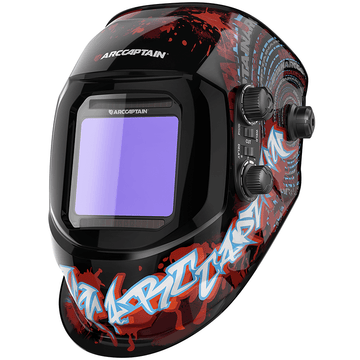
Credit: www.arccaptain.com
Basics Of Auto Darkening Helmets
Auto darkening helmets protect welders by changing lens shade automatically. They help keep eyes safe from bright sparks and harmful light.
These helmets use special sensors and filters to switch between light and dark modes fast. This makes welding safer and easier.
Core Components
An auto darkening helmet has key parts that work together. Each part plays a role in safety and comfort for welders.
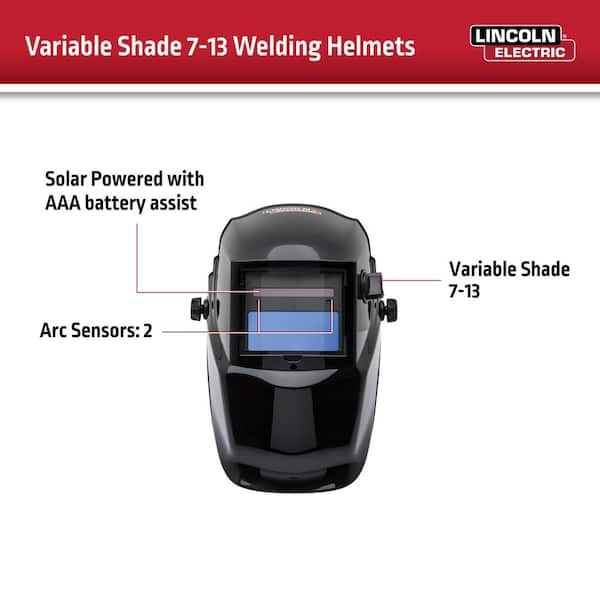
- Auto Darkening Filter (ADF):This lens changes its shade when it senses bright light.
- Sensors:They detect the arc light and trigger the lens to darken.
- Control Panel:Allows the user to adjust shade settings and sensitivity.
- Power Source:Usually batteries or solar cells that keep the helmet running.
- Helmet Shell:Protects the welder’s head from sparks and heat.
Types Of Auto Darkening Filters
Auto darkening filters come in different types. Each type suits various welding tasks and environments.
| Filter Type | Description | Common Use |
|---|---|---|
| Liquid Crystal Display (LCD) | Uses liquid crystals to change lens shade quickly. | Most common for general welding work. |
| Electrochromic | Changes shade by applying voltage to a special film. | Used in advanced helmets for smooth transition. |
| Photovoltaic | Uses solar power to help operate the filter. | Good for outdoor welding with strong light. |
| Hybrid | Combines LCD and photovoltaic technologies. | Offers longer battery life and fast response. |
How Auto Darkening Technology Functions
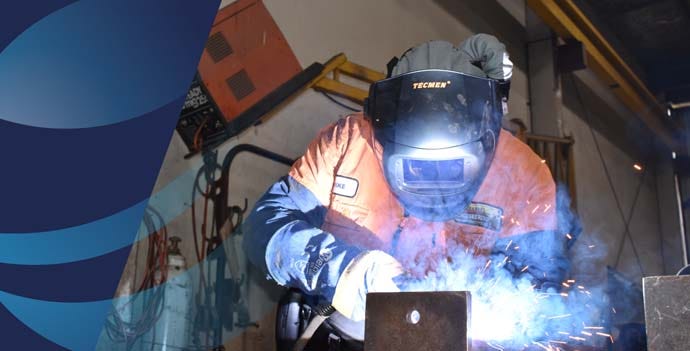
Auto darkening helmets protect welders by changing lens shade quickly. The lens stays clear before welding starts. Then it darkens to shield eyes from bright light.
The technology uses sensors, LCDs, and power sources. These parts work together to keep the welder safe and comfortable.
Light Sensors And Their Role
Light sensors detect the welding arc’s brightness. They send signals to darken the lens instantly. This helps protect the welder’s eyes from harmful light and sparks.
Sensors are very sensitive and react in milliseconds. They also reset the lens to clear after welding stops. This allows welders to see clearly while working.
Liquid Crystal Display (lcd) Mechanics
The LCD panel changes the lens shade by adjusting light passing through it. It uses liquid crystals that twist to block or allow light. When the sensors detect welding, the crystals darken the lens.
The LCD can switch between different shade levels. This helps welders see the welding area well while staying protected. The LCD also clears quickly when welding stops.
Power Sources And Battery Life
Auto darkening helmets use batteries or solar cells for power. Solar cells recharge batteries during welding light. This keeps the helmet working without frequent battery changes.
Battery life depends on usage and type. Some helmets use replaceable batteries, while others have rechargeable ones. Good power keeps the sensors and LCD active at all times.
Key Safety Features
Auto darkening helmets protect welders by adjusting the lens shade automatically. These helmets use sensors and technology to keep eyes safe from bright light and harmful rays.
Understanding the safety features helps users pick the right helmet. It also ensures proper protection during welding tasks.
Shade Adjustment And Sensitivity
Shade adjustment lets the helmet darken based on the brightness of the welding arc. Sensitivity controls how easily the lens reacts to light changes.
- Shade levels usually range from 9 to 13 for different welding types.
- Higher sensitivity detects weaker arcs or low-amperage welding.
- Users can adjust settings to match their work environment.
Reaction Time And Protection
Reaction time is how fast the lens changes from light to dark. Fast reaction protects eyes from sudden bright flashes.
| Reaction Time | Protection Benefit |
| Less than 1/25,000 second | Immediate darkening to block harmful light |
| Slower than 1/10,000 second | Possible eye strain and damage |
| Variable speed | Adjustable for different welding conditions |
Uv And Ir Protection Levels
Auto darkening helmets block ultraviolet (UV) and infrared (IR) rays even when the lens is light. This constant protection prevents eye injuries.
- UV protection is always active to shield eyes from burns.
- IR protection works at all times to stop invisible heat rays.
- This safety works whether the helmet is darkened or not.
Credit: www.homedepot.com
Choosing The Right Helmet
Auto-darkening helmets are essential for safety in welding. Choosing the right one can improve comfort and safety.
Consider factors like welding type, comfort, and durability when selecting a helmet.
Matching Helmet To Welding Type
Different welding tasks require specific helmet features. Ensure your helmet suits your welding style for maximum protection.
- MIG welding: Opt for helmets with high shade range
- TIG welding: Choose helmets with a fast reaction time
- Stick welding: Look for helmets with adjustable sensitivity
Comfort And Fit Considerations
A helmet should fit well to ensure comfort during long hours. Adjustable straps and padding can enhance fit.
| Feature | Benefit |
| Adjustable headband | Custom fit |
| Lightweight design | Reduces neck strain |
| Moisture-wicking padding | Keeps sweat away |
Durability And Build Quality
Helmets should withstand harsh conditions. Quality materials prolong helmet life and ensure consistent protection.
Maintenance And Care Tips
Auto darkening helmets keep your eyes safe during welding. To make them last long, you must care for them well. This guide shares easy tips to keep your helmet working properly.
Good maintenance helps avoid damage and ensures the helmet darkens quickly. Follow these simple steps to clean, replace batteries, and store your helmet safely.
Cleaning The Lens And Sensors
Clean the lens and sensors often to keep the helmet working right. Dust and dirt can block sensors or scratch the lens, causing poor performance.
- Use a soft cloth or lens wipe to clean the lens gently.
- Do not use harsh chemicals or abrasive materials.
- Wipe the sensors carefully to remove any dust or debris.
- Inspect the lens for scratches and replace if needed.
- Clean after each use to prevent build-up.
Battery Replacement Guidelines
Check the battery regularly. A weak battery can slow the lens from darkening. Replace batteries as soon as you notice any delays or dimming.
| Battery Type | Replacement Frequency | Signs to Replace |
| CR2032 Lithium | Every 6-12 months | Slow darkening, dim display |
| Rechargeable Battery | Check monthly | Fails to charge fully |
| Solar Powered | Rarely needs replacing | Lens stays light |
Storage Best Practices
Proper storage protects your helmet from damage. Keep it away from direct sunlight and moisture. Use a clean, dry place to store the helmet when not in use.
- Store the helmet in a protective case or bag.
- Avoid placing heavy objects on top of it.
- Keep it in a cool, dry spot to prevent fogging and damage.
- Remove batteries if you will not use the helmet for a long time.
- Check the helmet before use after storage.
Technological Advancements
Auto darkening helmets use new technology to keep welders safe and comfortable. These helmets adjust their shade automatically during welding.
Recent improvements have made these helmets smarter and more accurate. This helps welders work better and with less eye strain.
Smart Features And Connectivity
Many helmets now come with smart features like Bluetooth and app control. Welders can change settings without removing the helmet.
Some helmets connect to smartphones or tablets. This lets users track usage and update firmware easily.
- Bluetooth for wireless control
- Mobile apps for custom settings
- Usage tracking and data logs
- Firmware updates over the air
Improved Sensor Accuracy
New sensors detect light changes faster than before. This lets the helmet darken instantly when the arc starts.
Improved sensors also reduce false triggers. They respond only to welding light, not sunlight or artificial light.
- Faster light detection
- Less false activation
- Better response to different welding types
- Enhanced eye protection
Future Trends In Helmet Technology
Future helmets may use AI to adjust shade automatically by welding type. This will improve comfort and safety.
Other trends include lighter materials and longer battery life. Some helmets might add heads-up displays for extra information.
- Artificial intelligence for smart shade control
- Lighter, stronger helmet designs
- Longer battery life and solar charging
- Heads-up displays with welding data
Credit: www.euromarc.co.nz
Frequently Asked Questions
How Do Auto Darkening Helmets Protect Welders?
Auto darkening helmets instantly darken when exposed to welding arcs. They protect eyes from harmful UV and IR rays. The helmet’s sensors detect bright light and trigger the lens to darken, ensuring continuous eye safety and comfort.
What Powers Auto Darkening Welding Helmets?
Most auto darkening helmets use replaceable or rechargeable batteries. Some models combine solar cells with batteries for longer life. This ensures helmets function reliably during welding without frequent battery changes.
How Fast Do Auto Darkening Helmets React?
Auto darkening helmets react within 1/25,000 to 1/30,000 of a second. This ultra-fast response prevents eye strain and flash burns. Quick darkening is crucial for welder safety and uninterrupted work.
Can Auto Darkening Helmets Adjust Sensitivity And Delay?
Yes, many helmets allow sensitivity and delay adjustments. Sensitivity controls how easily the lens darkens. Delay manages how long the lens stays dark after welding stops. These features improve user comfort and adaptability.
Conclusion
Auto darkening helmets protect your eyes by changing lens shade fast. Sensors detect the bright light from welding and trigger the darkening. This helps welders see clearly while staying safe. The helmet lets you work without lifting it often. It saves time and reduces eye strain.
Understanding how these helmets work helps you choose the right one. Safety and comfort matter most in welding gear. Trust the technology to keep your vision safe every time you weld.