
Have you ever wondered how auto chains actually work to keep your car safe on slippery roads? If you’ve faced snowy or icy conditions, you know how tricky driving can become.
Auto chains can be a game changer, but understanding how they function will help you use them with confidence. You’ll discover exactly what happens when you put chains on your tires, why they improve traction, and how they protect you and your vehicle.
Keep reading, and you’ll feel ready to tackle winter roads like a pro.
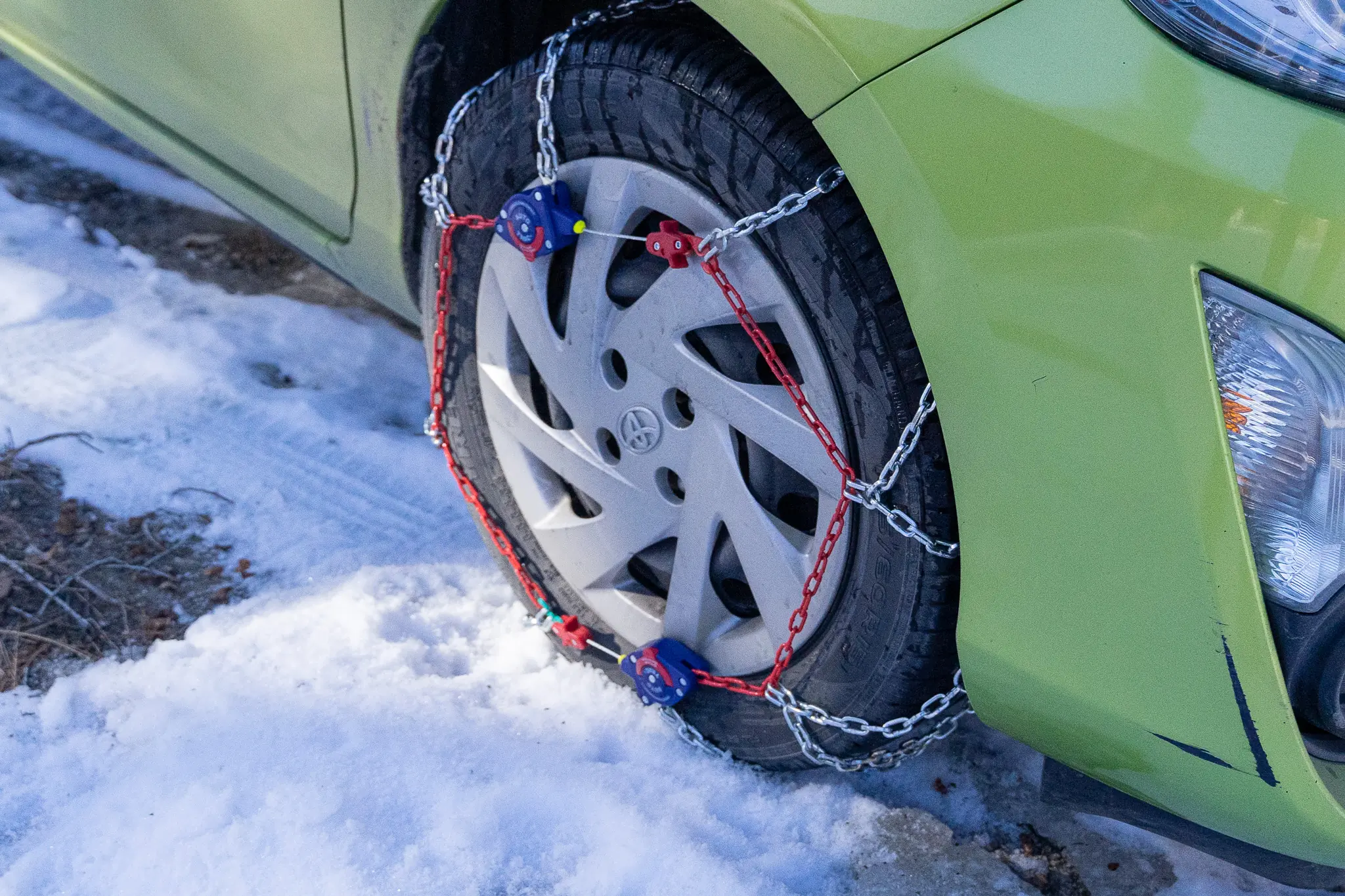
Credit: gearjunkie.com
How Auto Chains Improve Traction
Auto chains help vehicles drive safely on snow and ice. They wrap around tires to give extra grip. This stops slipping and sliding on slick roads.
These chains come in different styles and materials. Each design helps the tire hold better on cold surfaces. Understanding how they work can help you choose the right chain.
Chain Materials And Design
Auto chains are made from metals like steel or alloys. Some chains have extra coatings to resist rust. The design of the chain links also affects performance.
- Steel chains are strong and durable.
- Alloy chains are lighter but still tough.
- Coatings help chains last longer in wet conditions.
- Different link shapes improve grip and reduce tire wear.
Mechanics Of Grip On Snow And Ice
Chains work by cutting into snow and ice. This breaks the slick surface and gives the tire a better hold. The chains’ edges dig into the road for traction.
| Function | How It Helps |
| Breaking ice | Stops tires from sliding |
| Adding friction | Increases grip on snow |
| Distributing pressure | Prevents tire damage |
| Self-cleaning links | Stops snow build-up |

Credit: www.amazon.co.uk
Types Of Auto Chains
Auto chains help vehicles get better traction on snow or ice. There are different kinds of chains you can use. Each type works in a unique way.
Understanding the types of auto chains can help you choose the right one for your needs. Here are some common types and their features.
Cable Chains Vs. Traditional Chains
Cable chains use steel cables covered with small metal links. Traditional chains are made of larger metal links that wrap around the tire. Both improve grip but have different strengths.
- Cable Chains:Lightweight and easy to install. Good for light snow and ice.
- Traditional Chains:Heavier and more durable. Best for deep snow and rough terrain.
- Durability:Traditional chains last longer but may be harder to handle.
- Comfort:Cable chains provide a smoother ride on the road.
Self-tightening Chains
Self-tightening chains automatically adjust to the tire’s size. They keep the chain snug during driving. This reduces the need to stop and tighten the chains manually.
These chains often include springs or rubber components that pull the chain tight. They improve safety and make installation easier for drivers.
Link Patterns And Their Benefits
| Link Pattern | Benefit |
| Diamond | Provides good traction on ice and snow. Covers more tire surface. |
| Ladder | Easier to install. Good for heavy snow but less grip on ice. |
| Twist | Offers a balance between traction and smooth ride. Less noisy. |
| Square | Strong grip for off-road use. Can be rough on roads. |
Installation Process
Auto chains help your tires grip snowy or icy roads. Installing them correctly keeps you safe. This guide covers the installation process step by step.
Knowing how to prepare your vehicle and avoid mistakes makes the process easier. Follow these instructions carefully for best results.
Preparing Your Vehicle
Park your car on a flat surface away from traffic. Turn off the engine and engage the parking brake. Make sure you have gloves and your chains ready.
- Clear snow and ice around the tires
- Check the tire size and chain compatibility
- Lay the chains flat and untangled
- Read the chain manufacturer’s instructions
Step-by-step Chain Installation
Follow these steps to install your auto chains safely and securely.
- Spread the chains out behind the tire you want to fit.
- Drive the vehicle slowly onto the chains until they catch the tire.
- Pull the chains up and over the tire, covering as much of the tread as possible.
- Connect the fastening mechanism to secure the chains tightly.
- Check for any loose sections and adjust if needed.
- Drive a short distance and recheck the tension of the chains.
Common Installation Mistakes To Avoid
Many drivers make simple errors when fitting chains. Avoid these to ensure safety and chain durability.
| Mistake | Problem | Solution |
| Installing on the wrong tires | Loss of traction and control | Check vehicle manual for recommended tires |
| Loose chains | Chains can slip or break | Tighten chains properly and retighten after driving |
| Not testing before driving | Chains may not fit or work correctly | Install and test chains before hitting the road |
| Ignoring chain damage | Chains may fail in use | Inspect chains for wear and replace if needed |
When To Use Auto Chains
Auto chains help cars keep traction on slippery roads. They are useful in certain weather and road conditions.
Knowing when to use chains can improve safety and prevent accidents during winter driving.
Weather Conditions Requiring Chains
Chains are needed when roads are covered with snow or ice. They improve grip and reduce slipping.
- Heavy snowfalls that cover the road completely
- Ice patches that make roads slick and dangerous
- Steep hills where tires can lose traction
- Freezing rain that creates a layer of ice on the road
Legal Requirements And Restrictions
Some places require auto chains by law during winter months or in certain areas. Drivers must know local rules.
| Region | Chain Requirement | Notes |
| Mountain Roads | Mandatory | Chains must be carried and used |
| State Highways | Sometimes Required | Signs indicate when chains are needed |
| Urban Areas | Rarely Required | Usually not needed in city driving |
Alternatives To Chains
Chains are not the only way to improve traction. Other tools can help in winter driving.
- Winter tires with special tread and rubber
- Tire socks made of fabric to increase grip
- Studded tires for icy roads (where legal)
- Electronic traction control systems in some vehicles
Maintenance And Storage Tips
Auto chains help improve traction on snowy or icy roads. Proper care keeps them working well and safe.
Cleaning, storing, and maintaining chains increases their lifespan and performance.
Cleaning And Inspecting Chains
After use, clean your chains to remove dirt, salt, and debris. Check for damage like broken links or rust.
- Use warm water and mild soap to wash the chains.
- Rinse thoroughly to remove all soap and dirt.
- Dry chains completely with a cloth or let air dry.
- Inspect each link for cracks, bends, or rust spots.
- Replace any damaged parts before next use.
Proper Storage Practices
Store chains in a dry place to avoid rust and damage. Keep them away from direct sunlight and moisture.
| Storage Tip | Reason |
| Keep chains in a sealed plastic bag | Prevents moisture and rust |
| Store in a cool, dry area | Protects from heat and humidity |
| Avoid stacking heavy items on chains | Prevents deformation or damage |
| Use a dedicated container or box | Keeps chains organized and safe |
Extending Chain Lifespan
Taking simple steps helps your chains last longer and perform better on roads.
- Always clean and dry chains after each use.
- Inspect chains regularly for wear or damage.
- Store chains properly to avoid rust and bending.
- Apply light oil or chain lubricant to prevent rust.
- Use chains only on suitable road conditions to reduce wear.
Safety Tips For Winter Driving
Winter driving can be tricky and dangerous. Auto chains help your vehicle grip icy roads. They improve safety during snowy conditions.
Using auto chains requires some knowledge. It’s important to understand proper techniques and adjustments. This ensures a safe drive in winter weather.
Driving Techniques With Chains
Driving with chains needs special care. Ensure chains are tightly secured before starting. This prevents them from coming off while driving.
Drive slowly on icy roads. Chains improve traction but cannot prevent all slips. Stay alert and maintain control of the vehicle.
- Check chains regularly during use
- Avoid sudden stops or turns
- Practice using chains before hitting the road
Speed And Handling Adjustments
Adjusting speed is crucial when using auto chains. Drive at a slower pace to maintain control. Fast speeds can damage chains and reduce safety.
Handling your vehicle changes with chains on. You may feel more resistance. Use gentle steering and braking to navigate safely.
- Keep speed below 30 mph
- Increase following distance
- Brake slowly and steadily
Emergency Preparedness
Being prepared for emergencies is vital. Carry a winter kit in your car. This ensures you have essentials if you get stuck.
Your kit should include items like blankets, food, and a flashlight. A shovel and extra clothing can also be helpful.
- Pack extra batteries for your flashlight
- Include tire repair tools
- Store water and non-perishable snacks

Credit: www.youtube.com
Frequently Asked Questions
How Do Auto Chains Improve Vehicle Traction?
Auto chains wrap around tires to increase grip on slippery surfaces. They prevent wheels from slipping on snow, ice, or mud. This enhances vehicle control and safety during challenging road conditions.
What Materials Are Auto Chains Made From?
Auto chains are typically made from durable steel alloys. These materials resist rust and wear, ensuring long-lasting performance. Steel chains provide strong traction and withstand harsh driving environments.
Can Auto Chains Damage My Vehicle Tires?
Properly installed auto chains rarely damage tires. Incorrect fitting or excessive speed can cause tire wear or damage. Always follow manufacturer guidelines for safe use and removal of auto chains.
When Should I Use Auto Chains On My Vehicle?
Use auto chains in heavy snow, ice, or muddy conditions. They are essential when roads are slippery and regular tires lose traction. Check local laws as some areas require chains during winter.
Conclusion
Auto chains help your tires grip snow and ice better. They wrap tightly around the tire to prevent slipping. This added traction improves safety on slippery roads. Knowing how they work makes using them easier and safer. Always check your chains before driving in winter weather.
Proper use keeps you in control and prevents accidents. Remember, chains are a useful tool, not a guarantee. Drive carefully and stay prepared for changing road conditions. Safe winter driving starts with good equipment and smart choices.