
Have you ever wondered if using Auto Hold could actually wear out your brakes faster? It’s a common question for many drivers who want to protect their car and save money.
You might think that letting your car hold itself on a hill or at a stoplight means your brakes are working harder than they should. But is that really true? Keep reading to find out how Auto Hold affects your brakes and what you can do to keep them in top shape.
This simple knowledge could save you from costly repairs down the road.
How Auto Hold Works
Auto Hold is a car feature that keeps brakes active without pressing the pedal. It helps drivers stop safely on hills and traffic lights.
This system makes driving easier by holding the vehicle still after stopping. It releases the brakes when the driver presses the accelerator.
Activation Mechanism
Auto Hold activates when the driver stops the car fully and presses the brake pedal. The system uses sensors to detect this action.
Once active, Auto Hold keeps brake pressure without needing the driver to keep the pedal pressed. It releases brakes automatically on acceleration.
Role In Traffic
- Makes stop-and-go traffic easier by reducing driver fatigue
- Prevents the car from rolling backward on hills
- Improves safety at traffic lights and stop signs
- Helps maintain vehicle stability during temporary stops
Comparison With Traditional Brake Hold
| Feature | Auto Hold | Traditional Brake Hold |
|---|---|---|
| Activation | Automatic after brake press | Manual, driver must hold pedal |
| Driver Effort | Minimal, no need to keep pedal pressed | High, driver must maintain pressure |
| Safety | Prevents rollback on slopes | Depends on driver skill |
| Convenience | High, releases on acceleration | Low, must release pedal manually |
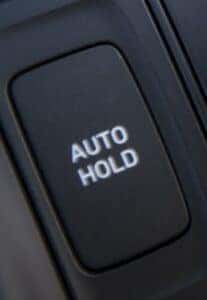
Credit: www.dicksmithhyundai.com
Brake Wear Basics
Brakes slow down and stop your car safely. Over time, brake parts wear out. This can affect how well your brakes work.
Understanding brake wear helps you keep your car safe and avoid costly repairs. Let’s look at the causes, parts affected, and signs of brake wear.
Causes Of Brake Wear
Brake wear happens because of many reasons. Some cause faster wear than others. Knowing these helps protect your brakes.
- Frequent braking in stop-and-go traffic
- Driving downhill without using engine braking
- Carrying heavy loads often
- Brake system overheating from hard use
- Brake pads rubbing when brakes are not applied
- Using poor quality brake parts
Types Of Brake Components Affected
Several parts in the brake system wear out. Each plays a role in stopping your car.
| Component | Function | Wear Effect |
| Brake Pads | Press against rotors to stop wheels | Thin out and lose grip over time |
| Rotors (Discs) | Surface for pads to press on | Get scored or warped from heat |
| Drums | Work with brake shoes in some cars | Wear unevenly causing noise or poor braking |
| Brake Shoes | Press against drums to stop wheels | Wear thin and reduce braking power |
| Calipers | Push pads toward rotors | Can stick or leak, causing uneven wear |
Signs Of Brake Wear
Check your brakes often. Early signs of wear can save you from big problems.
- Squeaking or grinding noises when braking
- Longer stopping distances than usual
- Brake pedal feels soft or sinks down
- Vibrations or pulsing in the brake pedal
- Warning light on the dashboard
- Car pulls to one side during braking
Impact Of Auto Hold On Brakes
Auto Hold is a feature in many modern cars. It keeps the brakes applied automatically when the car is stopped.
This feature helps drivers avoid pressing the brake pedal constantly. But it also changes how the brakes work over time.
Pressure Application Differences
Auto Hold applies brake pressure differently than a driver does. It keeps the brakes lightly pressed instead of fully engaged.
- Pressure is steady but lower than full braking
- Brakes stay active for longer periods when stopped
- Pressure release is controlled and gradual
Effect On Brake Pads And Rotors
Continuous brake pressure changes how pads and rotors wear out. It can cause uneven wear compared to normal braking.
| Component | Impact from Auto Hold |
| Brake Pads | May wear faster on contact surfaces |
| Rotors | Can develop hot spots or uneven surfaces |
| Brake Fluid | Pressure holds fluid longer, affecting performance |
Heat Generation And Brake Stress
Holding brakes generates more heat than fully releasing them. This heat adds stress to brake parts.
- Increased heat can cause brake fade
- Brake components may wear out sooner
- Regular checks help prevent damage

Credit: www.nissan.co.uk
Studies And Expert Opinions
Auto hold is a popular feature in many modern cars. It keeps the vehicle still without pressing the brake pedal. Some drivers ask if this feature causes brake wear.
This article looks at studies, expert opinions, and mechanic views. It helps explain how auto hold affects brake wear.
Research Findings
Studies show that auto hold does not cause extra brake wear. The system holds the brakes firmly but only when the car is stopped. It releases the brakes when you press the accelerator.
- Auto hold uses the same brake pads as normal braking.
- Brakes are applied for short times, not long periods.
- Research found no significant increase in brake pad wear with auto hold.
- Proper brake maintenance remains important.
Manufacturer Insights
Car makers design auto hold to protect the brake system. They test it under many conditions. Their manuals often explain how auto hold works and its safety features.
| Manufacturer | Auto Hold Feature | Brake Wear Impact |
|---|---|---|
| Toyota | Engages brakes only at full stop | No extra brake wear reported |
| Volkswagen | Uses sensors to control brake pressure | Brake wear similar to normal use |
| Ford | Automatic release when accelerating | Designed to prevent brake drag |
Mechanic Perspectives
Mechanics say auto hold rarely causes brake problems. They note most brake wear is from regular driving habits. Some warn that if the system malfunctions, it could cause extra wear.
Common mechanic tips to avoid brake wear with auto hold:
- Keep brakes clean and well-maintained.
- Check auto hold system during service visits.
- Report any unusual brake noises or feel.
- Use parking brake on steep hills as backup.
Best Practices With Auto Hold
Auto Hold is a feature that keeps your car stopped without pressing the brake pedal. It helps in traffic or at traffic lights. Using it right can protect your brakes and make driving easier.
Knowing when and how to use Auto Hold can reduce brake wear. Good driving habits also keep your brakes in good shape for longer.
When To Use Auto Hold
Use Auto Hold mainly when you stop often, like in city traffic or at traffic lights. It prevents your foot from holding the brake all the time. Avoid using it on steep hills without checking the system’s limits.
Maintaining Brake Health
Auto Hold can help keep brakes in good condition by reducing constant brake pressure. Still, you need to maintain brakes regularly to avoid problems.
| Brake Maintenance Task | Frequency | Reason |
| Check brake pads | Every 10,000 miles | Prevent wear and tear |
| Brake fluid change | Every 2 years | Keep brake system working well |
| Brake system inspection | Annually | Detect issues early |
Driving Habits To Reduce Wear
Good driving habits lower brake wear and improve safety. Use Auto Hold in the right way and avoid harsh braking.
- Use Auto Hold in stop-and-go traffic to avoid riding the brake.
- Keep a safe distance to reduce sudden stops.
- Slow down early instead of braking hard at the last moment.
- Avoid resting your foot on the brake pedal while driving.
- Turn off Auto Hold on long downhill drives to prevent overheating brakes.

Credit: www.counterman.com
Frequently Asked Questions
Does Auto Hold Increase Brake Wear?
Auto Hold minimally affects brake wear by lightly engaging brakes when stopped. It reduces continuous brake use, often preserving brake life.
How Does Auto Hold Affect Brake Pads?
Auto Hold applies brakes automatically at stops, causing slight wear. However, it prevents excessive brake use during frequent stops, balancing pad wear.
Can Auto Hold Cause Premature Brake Failure?
Auto Hold rarely causes premature brake failure. It uses brakes intermittently, reducing driver fatigue and maintaining safe brake operation.
Is Auto Hold Safe For Brake System Longevity?
Yes, Auto Hold is safe and designed to protect brake components. It reduces unnecessary brake application, potentially extending brake system lifespan.
Conclusion
Auto Hold does not cause extra brake wear under normal use. It keeps the brakes active without pressing the pedal constantly. This feature helps reduce driver fatigue in stop-and-go traffic. Brakes wear mostly from driving habits and road conditions. Using Auto Hold properly can protect your brake system.
Regular brake checks and maintenance remain important. Understanding how Auto Hold works helps keep your car safe. It is a useful tool, not a brake wear risk. Keep driving smart, and your brakes will last longer.