
Are you wondering if your motorcycle helmet can keep you safe on the auto racing track? You might think that since both activities involve speed and risk, one helmet could fit all.
But when it comes to protecting your head, the details matter more than you realize. You’ll discover the key differences between motorcycle helmets and auto racing helmets, and why choosing the right gear could make all the difference for your safety.
Keep reading to find out what you need to know before you hit the raceway.
Motorcycle Helmets Vs Auto Racing Helmets
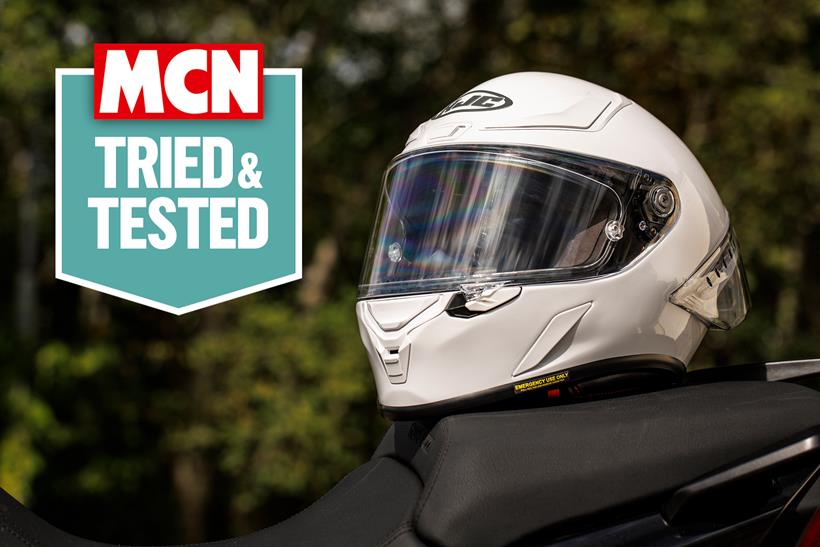
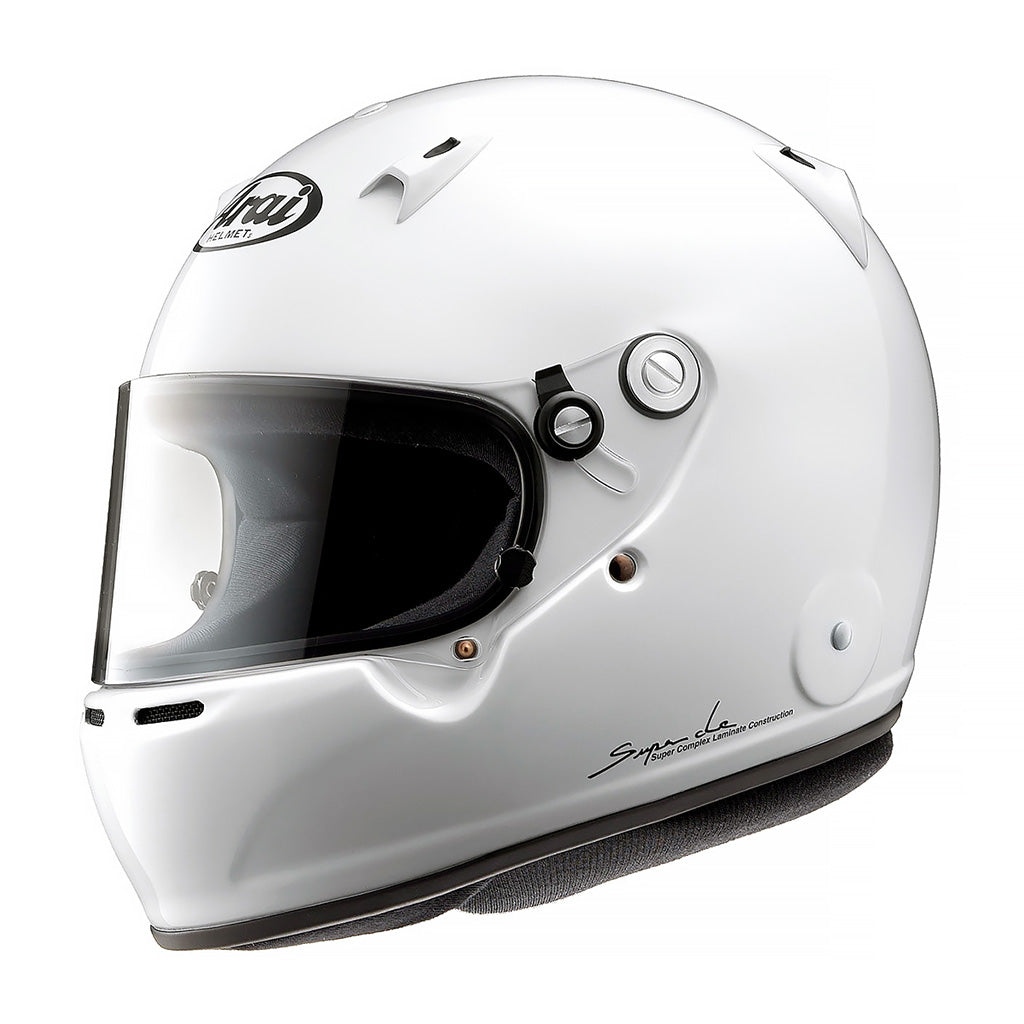
Motorcycle helmets and auto racing helmets both protect the head during crashes. They look similar but have key differences. Using one for the other sport may not be safe.
This guide explains the main differences between motorcycle helmets and auto racing helmets. It covers design, materials, and safety standards.
Design Differences
Motorcycle helmets focus on protecting the head during falls and hits on pavement. Auto racing helmets also protect against impacts inside a car and fire risks.
- Motorcycle helmets have good ventilation to keep riders cool.
- Auto racing helmets have less ventilation to keep fire-resistant seals tight.
- Racing helmets include features to fit with racing suits and head restraints.
- Motorcycle helmets often have visors that block wind and debris.
Material Variations
Both helmet types use strong materials but in different ways. Racing helmets often use fire-resistant liners and stronger shells.
| Material | Motorcycle Helmet | Auto Racing Helmet |
| Outer Shell | Fiberglass, polycarbonate, or carbon fiber | Carbon fiber or composite with added heat resistance |
| Inner Liner | EPS foam for impact absorption | EPS foam plus fire-resistant materials like Nomex |
| Visor | Clear or tinted, designed for outdoor use | Fire-resistant and designed for glare reduction |
Impact Resistance Standards
Helmets must meet strict safety standards. Motorcycle and auto racing helmets follow different rules. Racing helmets must handle higher impact and fire risks.
- Motorcycle helmets meet DOT, ECE, or Snell M standards.
- Auto racing helmets meet Snell SA or FIA 8859 standards.
- Racing standards include fire resistance and stronger impact tests.
- Using a motorcycle helmet for racing can fail safety checks.
Safety Standards For Auto Racing Helmets
Auto racing helmets must meet strict safety standards. These standards protect drivers from head injuries in crashes. Not all motorcycle helmets meet these rules.
Different organizations set safety tests and certifications. These rules help drivers choose the right helmet for racing.
Fia Certification
The FIA certifies helmets for auto racing safety. Their tests check impact resistance and fire protection. Helmets with FIA certification can be used in professional races.
FIA helmets also pass tests for chin straps and visor strength. This ensures the helmet stays on during a crash.
Snell Rating
The Snell Foundation tests helmets for high impact safety. They offer special ratings for auto racing helmets. Snell-rated helmets meet strict rules for strength and protection.
- Snell SA (Special Application) is for auto racing helmets.
- Helmets must pass impact and penetration tests.
- They also test for heat and flame resistance.
Dot And Ece Standards
DOT and ECE rules focus on motorcycle helmets. DOT is a U.S. standard, and ECE is used in Europe. They test impact absorption and strap strength.
| Standard | Region | Focus | Use in Auto Racing |
|---|---|---|---|
| DOT | USA | Motorcycle safety | Not enough for auto racing |
| ECE | Europe | Motorcycle safety | Usually not accepted in racing |
Risks Of Using Motorcycle Helmets In Auto Racing
Motorcycle helmets are made for bikes, not cars. Using them in auto racing can be risky.
Auto racing needs helmets that protect against different dangers. Motorcycle helmets may not meet these needs.
Lack Of Fire Resistance
Auto racing helmets must resist fire. Motorcycle helmets usually do not have strong fire protection.
Racing cars can catch fire after crashes. A helmet without fire resistance can cause serious burns.
- Auto racing helmets use fireproof materials
- Motorcycle helmets focus on impact, not fire
- Fire resistance helps drivers escape safely
Insufficient Impact Protection
Motorcycle helmets protect from falls and hits on roads. Auto racing helmets protect from high-speed crashes.
The forces in car crashes differ from motorcycle accidents. Motorcycle helmets may not handle these forces well.
- Auto racing helmets have special padding and shells
- They reduce impact from many angles
- Motorcycle helmets may miss some crash types
Reduced Neck Support
Neck support is vital in auto racing. It prevents serious neck injuries during crashes.
Motorcycle helmets offer less neck support. Auto racing helmets work with neck braces and suits.
- Racing helmets fit tightly with safety gear
- They reduce head and neck movement in crashes
- Motorcycle helmets do not support neck braces well
Common Myths About Helmet Interchangeability
Many people wonder if motorcycle helmets can be used for auto racing. This topic has many myths and false ideas. Understanding the facts helps you choose the right helmet for safety.
This article looks at three common myths about helmet interchangeability. Each myth will be explained clearly to avoid confusion.
One Helmet Fits All
Some think one helmet can work for both motorcycle riding and auto racing. This is not true because each sport has different safety needs. Helmets are designed for specific impacts and environments.
- Motorcycle helmets protect mainly against head impacts from falls or crashes on roads.
- Auto racing helmets focus on high-speed impacts and fire resistance inside a vehicle.
- Using the wrong helmet type can reduce protection and increase injury risk.
Motorcycle Helmets Are Safer
Many believe motorcycle helmets offer better safety for auto racing. This is a myth. Motorcycle helmets meet different safety standards than auto racing helmets.
| Helmet Type | Primary Safety Standard | Design Focus |
| Motorcycle Helmet | DOT, ECE | Impact absorption, road debris |
| Auto Racing Helmet | Snell SA, FIA | High-speed impacts, fire resistance |
Cost Savings Justify Use
Some try to save money by using motorcycle helmets for auto racing. This idea is risky. Cost savings do not justify using the wrong helmet type.
Reasons not to use motorcycle helmets for auto racing:
- They lack fire-retardant materials required for racing.
- They do not pass strict racing safety tests.
- They may fail to protect against common racing hazards.
Expert Opinions On Helmet Safety
Motorcycle helmets and auto racing helmets serve different purposes. Each is built for specific impacts and speeds. Experts say safety depends on using the right helmet for the activity.
Auto racing helmets have strict rules to protect drivers in high-speed crashes. Motorcycle helmets may not meet these standards. Understanding expert views helps choose the correct helmet.
Racing Professionals’ Views
Many racing drivers say motorcycle helmets are not safe for auto racing. Racing helmets must handle different forces than motorcycle helmets. Drivers trust helmets tested for racing impacts.
Some professionals explain that racing helmets protect against fire and debris better. They also fit securely to prevent movement during a crash. Motorcycle helmets often lack these features.
- Racing helmets pass special impact tests
- They resist fire and high heat
- They stay firmly on the head
- Motorcycle helmets may not handle racing crashes
Helmet Manufacturers’ Recommendations
Helmet makers advise using helmets only for their intended sport. Motorcycle helmet makers warn against using their helmets for auto racing. Different standards apply to each helmet type.
Manufacturers highlight that racing helmets meet specific certifications like Snell SA or FIA. Motorcycle helmets usually meet DOT or ECE standards, which differ. Using the wrong helmet may void warranties.
- Use helmets certified for your sport
- Racing helmets meet Snell SA, FIA rules
- Motorcycle helmets meet DOT, ECE rules
- Mixing helmet types reduces safety

Credit: www.simpsonraceproducts.com
Choosing The Right Helmet For Auto Racing
Motorcycle helmets and auto racing helmets have different features. It’s important to know these differences before choosing a helmet for car racing.
Auto racing helmets need specific qualities for safety and comfort. Let’s explore what to look for in a racing helmet.
Key Features To Look For
Racing helmets must protect you from high-speed impacts and offer comfort. Here are some important features to consider:
- Strong outer shell for impact resistance
- Fire-resistant materials for extra safety
- Efficient ventilation to keep you cool
- Clear visor with anti-fog properties
Certification Checks
Certification is crucial for safety in auto racing. Helmets need to meet specific standards. Check for these certifications:
| Certification | Description |
| Snell SA | For auto racing helmets, ensuring high impact protection |
| FIA | Global standard for motorsport safety |
| D.O.T. | Basic U.S. certification for vehicle helmets |
Proper Fit And Comfort
A well-fitted helmet is essential for comfort and safety. Follow these tips to ensure a good fit:
- Measure your head size before buying
- Try the helmet on to check comfort
- Ensure the helmet sits snugly on your head
- Make sure there are no pressure points
Real-life Incidents And Lessons Learned
Motorcycle helmets are designed for high-impact protection. People often wonder if they can be used in auto racing. This discussion explores real incidents and lessons from helmet use in motorsports.
Understanding the differences in helmet design and functionality can help prevent injuries. Let’s look at some real-life examples to learn more.
Case Studies Of Helmet Failures
Motorcycle helmets sometimes fail in auto racing conditions. This can happen due to the different forces involved in car accidents. One case study highlights a severe crash where a motorcycle helmet cracked under high pressure.
- The helmet was not designed for side impacts.
- Car accidents often involve more blunt force than motorcycle crashes.
- The helmet’s material couldn’t withstand the pressure.
Success Stories With Proper Helmets
Using the right helmet can save lives in auto racing. A driver in a recent race survived a major collision thanks to a helmet designed for car racing. The helmet absorbed the impact effectively.
| Helmet Type | Impact Resistance |
| Motorcycle | Limited to angular impacts |
| Auto Racing | Designed for blunt force |
| Bicycle | Minimal protection |
Credit: www.motorcyclenews.com
Credit: competitionmotorsport.com
Frequently Asked Questions
Can Motorcycle Helmets Be Used For Auto Racing?
Motorcycle helmets are not designed for auto racing. Auto racing helmets meet specific safety standards like Snell SA or FIA. Using motorcycle helmets in auto racing can increase injury risk due to different impact requirements.
What Safety Standards Do Auto Racing Helmets Follow?
Auto racing helmets comply with Snell SA, FIA 8859, or SFI 31. 1 standards. These tests ensure helmets withstand high-speed impacts and fire resistance, critical for auto racing safety.
Why Are Motorcycle Helmets Unsuitable For Auto Racing?
Motorcycle helmets lack fire-resistant materials and side impact protection needed in auto racing. Auto racing helmets also have features like fireproof lining and better chin protection.
Can A Motorcycle Helmet Protect Against Car Crash Injuries?
Motorcycle helmets protect against certain impacts but lack auto racing crash features. They do not offer fire resistance or full head and neck protection required in car crashes.
Conclusion
Motorcycle helmets are not designed for auto racing safety standards. Auto racing helmets have special features to protect drivers in crashes. Using the wrong helmet can put your life at risk. Always choose gear made for the specific sport you do.
Safety should be the top priority on the track. Proper equipment helps prevent serious injuries. Stay safe and pick the right helmet every time.