
Are you wondering if you can use passenger tires on your light truck? It’s a common question that many vehicle owners face, especially when it comes to safety, performance, and cost.
Choosing the right tires isn’t just about fitting the wheels—it directly affects how your truck handles, brakes, and carries weight. You’ll discover the key differences between passenger tires and light truck tires, and find out what really works best for your vehicle.
Keep reading to make sure you’re making the smartest and safest choice for your truck and your peace of mind.

Credit: dornmusic.com
Differences Between Passenger And Light Truck Tires
Passenger tires and light truck tires look similar but serve different purposes. Choosing the right tire helps your vehicle perform safely and well.
Light truck tires handle heavier loads and rough roads. Passenger tires focus more on comfort and smooth rides on highways.
Tire Construction
Passenger tires use softer rubber and fewer plies in their layers. This design offers a quiet and smooth ride on paved roads.
Light truck tires have stronger sidewalls and more plies. They use tougher rubber to resist damage from heavy loads and rough surfaces.
- Passenger tires: softer, fewer layers, flexible sidewalls
- Light truck tires: stronger, more layers, rigid sidewalls
Load Carrying Capacity
Passenger tires support less weight than light truck tires. They are made for cars and small SUVs that carry lighter loads.
Light truck tires carry heavier loads. They suit trucks, vans, and SUVs used for towing or hauling heavy cargo.
- Passenger tires: lower load rating, for light vehicles
- Light truck tires: higher load rating, for heavy loads
Tread Patterns
Passenger tires have tread designs made for smooth roads. These patterns reduce noise and improve fuel efficiency.
Light truck tires use deeper and more aggressive treads. They provide better grip on dirt, mud, and uneven surfaces.
- Passenger tires: smooth, shallow treads for highways
- Light truck tires: deep, rough treads for off-road use
Impact On Vehicle Performance
Using passenger tires on a light truck can change how the vehicle drives. Tires made for cars and light trucks have different designs. This affects how the vehicle performs on the road.
It is important to know what happens to handling, braking, and ride comfort when using passenger tires on a light truck.
Handling And Stability
Passenger tires often have softer sidewalls than light truck tires. This can make the vehicle feel less stable, especially when carrying heavy loads. The truck may sway more in turns or on rough roads.
Light truck tires are made to support more weight and provide better control. Using passenger tires can reduce the truck’s ability to stay steady.
Braking Efficiency
Passenger tires may not have the same tread design as light truck tires. This can affect how well the truck stops. The braking distance can increase, especially on wet or slippery roads.
Light truck tires often have stronger materials and tread patterns for better grip. Using passenger tires can reduce braking performance and safety.
Ride Comfort
Passenger tires usually offer a smoother ride on paved roads. They absorb small bumps well because of their softer design. This can make driving more comfortable.
Light truck tires can feel rougher but handle heavy loads better. Using passenger tires might improve comfort but could wear out faster if the truck carries heavy cargo.
Safety Considerations
Using passenger tires on a light truck can affect safety. These tires are not always made for the heavier loads and tough conditions trucks face.
It is important to understand the risks before using passenger tires on a light truck. This helps avoid accidents and damage.
Weight Limits And Tire Ratings
Passenger tires have lower weight limits than light truck tires. They are designed for smaller cars, not heavy loads.
Tire ratings show how much weight a tire can safely carry. Using tires with low ratings on a truck can cause problems.
- Light truck tires have higher load capacity
- Passenger tires may not support truck weight
- Overloading tires can lead to tire failure
Risk Of Tire Failure
Passenger tires may wear out faster on a light truck. They are not built for rough roads or heavy cargo.
Tire failure can cause loss of control and accidents. Using the right tire type reduces this risk.
- Passenger tires can overheat under heavy loads
- Sidewalls are thinner than light truck tires
- High speeds with wrong tires increase blowout risk
Legal And Warranty Issues
Using passenger tires on a light truck may break local laws. Tires must meet safety standards for the vehicle type.
Car or truck warranties might not cover damage from wrong tires. This can lead to costly repairs.
- Check tire rules for your state or country
- Wrong tires can void vehicle warranty
- Use tires that match vehicle manufacturer recommendations
Credit: www.bfgoodrichtires.com
Situations Where Passenger Tires Might Work
Passenger tires and light truck tires are made differently. Using passenger tires on a light truck is not always advised. Still, some situations allow it without much risk.
This guide explains when passenger tires might work on a light truck. It covers light use, temporary fixes, and cost factors.
Light Usage Scenarios
Passenger tires can be okay for light trucks that carry small loads. If the truck is mostly for driving on paved roads, passenger tires might be enough.
For example, a light truck used for daily commuting or short trips may not need heavy-duty tires. In these cases, passenger tires can provide good ride comfort and fuel efficiency.
- Driving mostly on smooth roads
- Carrying light or no cargo
- Low-speed daily driving
Temporary Solutions
Passenger tires can be a temporary fix if light truck tires are unavailable. They can help in emergencies or short-term use until the right tires are installed.
Use passenger tires carefully for short trips or low loads. Avoid heavy work or rough roads during this time to reduce tire damage and safety risks.
- Emergency replacements
- Short-term travel only
- Avoid heavy loads and rough terrain
Cost Implications
Passenger tires usually cost less than light truck tires. This can save money if the truck is used lightly. Still, cheaper tires might wear out faster on a truck.
Using passenger tires long-term may cause faster tire damage. This can lead to more frequent replacements and higher costs over time.
- Lower initial cost
- Possible shorter tire life
- More replacements may increase overall cost
Recommendations For Tire Selection
Choosing the right tires for your vehicle is important for safety and performance. Using passenger tires on a light truck is possible but needs careful thought.
Consider your vehicle’s weight, load, and driving conditions. This helps pick tires that fit your needs well.
Matching Tires To Vehicle Needs
Light trucks often carry heavy loads and drive on rough roads. Passenger tires may not handle these demands well. They are made for lighter loads and smooth roads.
Look for tires with proper load ratings and tread designed for your vehicle use. Using tires made for light trucks improves safety and tire life.
- Check the tire load index and speed rating
- Choose tires with durable tread patterns
- Match tire size to vehicle manufacturer recommendations
Consulting Professionals
Ask tire experts or mechanics for advice. They know which tires suit your light truck best. They can explain differences between passenger and light truck tires.
Professionals can recommend tires based on your driving habits and vehicle load. They help you avoid safety risks and save money on tire wear.
- Visit local tire shops for personalized advice
- Share your vehicle’s load and use details
- Request information on tire warranties and features
Regular Tire Maintenance
Proper tire care extends tire life and keeps driving safe. Check tire pressure regularly and keep it at recommended levels. Under or over-inflated tires wear out faster.
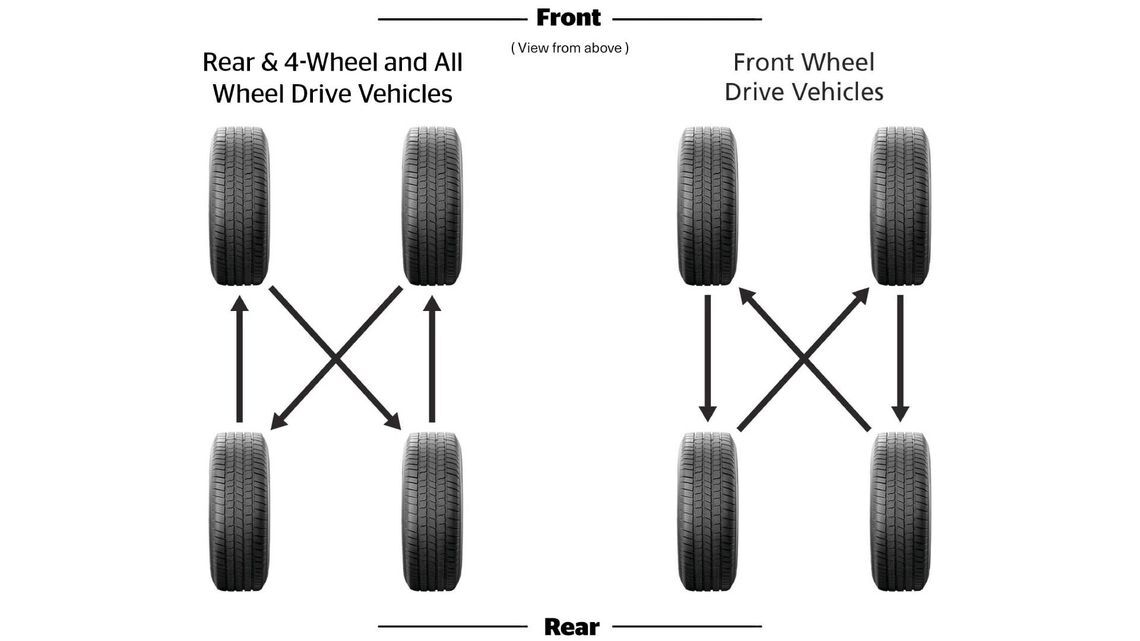
Rotate tires every 5,000 to 7,000 miles. This ensures even wear. Inspect tires for damage or uneven wear patterns. Replace tires when tread is too low.
- Check tire pressure monthly
- Rotate tires regularly
- Inspect tires for cuts, cracks, or bulges
- Replace tires before tread depth falls below 2/32 inch

Credit: www.integritymfgllc.com
Frequently Asked Questions
Can Passenger Tires Fit On Light Trucks Safely?
Passenger tires can fit light trucks but may not support heavy loads. Light truck tires are designed for durability and load capacity. Using passenger tires might compromise safety and performance on heavier vehicles. Always check manufacturer recommendations before swapping tire types.
What Are Risks Of Using Passenger Tires On Light Trucks?
Using passenger tires on light trucks risks reduced load capacity and weaker sidewalls. This can lead to tire failure under heavy weight or rough terrain. Passenger tires may wear faster and affect vehicle handling. It’s safer to use tires meant for your vehicle type.
How Do Light Truck Tires Differ From Passenger Tires?
Light truck tires have reinforced sidewalls and higher load ratings than passenger tires. They provide better traction on rough surfaces and carry heavier loads. Passenger tires focus more on comfort and fuel efficiency. Choosing the right tire improves safety and vehicle performance.
Can Passenger Tires Affect Light Truck’s Warranty?
Yes, using passenger tires on a light truck might void the vehicle’s warranty. Manufacturers specify tire types to ensure safety and performance standards. Non-compliance may lead to denied warranty claims for tire or suspension issues. Always follow the owner’s manual guidelines.
Conclusion
Using passenger tires on a light truck is not always safe or smart. Light trucks need stronger tires to carry heavy loads. Passenger tires may wear out faster and cause problems. Always check your vehicle’s manual for the right tire type.
Choosing the correct tires helps keep you safe on the road. It also improves how your truck drives. Don’t risk using the wrong tires just to save money. Proper tires protect your truck and everyone inside. Think carefully before making your tire choice.
Safety should come first every time.