
Are you wondering if Transit auto brakes are really worth it? When it comes to your safety on the road, you want to be sure your brakes perform perfectly every time.
But with so many options out there, it’s easy to feel unsure about which brakes can truly protect you and your vehicle. You’ll discover the real strengths and weaknesses of Transit auto brakes. By the end, you’ll know exactly if they meet your needs and keep you safe.
Keep reading to find out what makes these brakes stand out—or fall short—so you can make the best choice for your car and peace of mind.

Credit: www.walmart.com
Transit Auto Brakes Features
Transit auto brakes help keep vehicles safe by stopping them quickly. They use smart technology to make braking smooth and reliable.
This article explains key features of transit auto brakes. Learn about brake types, material quality, and vehicle compatibility.
Brake Types And Technologies
Transit auto brakes use different types of brakes. Each type offers unique control and safety benefits for drivers and passengers.
- Disc brakes: Provide strong stopping power and resist fading.
- Drum brakes: Offer good braking for heavy loads and last longer.
- Anti-lock braking system (ABS): Prevents wheel lockup and keeps steering control.
- Electronic brakeforce distribution (EBD): Balances braking power between wheels for stability.
Material Quality And Durability
The materials used in transit auto brakes affect their lifespan and performance. High-quality parts resist wear and heat.
| Material | Benefit |
| Ceramic Pads | Low noise and less dust |
| Metallic Pads | Strong braking and heat resistance |
| Cast Iron Rotors | Durable and cost-effective |
| Carbon Composite | Lightweight and high performance |
Compatibility With Vehicle Models
Transit auto brakes fit many vehicle types. It is important to check if the brake matches the vehicle model for safe use.
Common vehicle models compatible with transit auto brakes include:
- Ford Transit
- Mercedes-Benz Sprinter
- Ram ProMaster
- Nissan NV
Safety Performance
Transit auto brakes play a key role in vehicle safety. They help drivers stop quickly and avoid accidents.
Good brakes must perform well under different conditions. This includes quick stopping and heat control.
Stopping Distance Analysis
Stopping distance is how far a vehicle travels before it stops. Shorter distances mean safer brakes.
Transit auto brakes usually provide reliable stopping distances. They respond quickly to driver input.
- Effective grip on the road surface
- Consistent brake pressure
- Good performance on wet or dry roads
Heat Dissipation And Fade Resistance
Brakes create heat when used. This heat must be released to keep brakes working well.
Transit auto brakes have systems to cool down fast. This helps prevent brake fade, which lowers stopping power.
- Good ventilation in brake parts
- Materials that resist high temperatures
- Stable performance during long descents
Emergency Braking Efficiency
Emergency braking needs brakes to work instantly and strongly. Transit brakes react fast in these cases.
They help reduce crash risks by stopping the vehicle quickly. Drivers can trust these brakes in urgent situations.
- Quick brake activation
- Strong stopping force
- Stable control during sudden stops
User Experience
Transit auto brakes play a big role in how safe and comfortable driving feels. This article looks at key user experience points. We focus on noise and vibration, pedal feel, and maintenance.
Understanding these areas helps drivers know what to expect from their brakes. It also shows how these brakes hold up over time.
Noise And Vibration Levels
Good brakes should work quietly. Noise can distract or annoy the driver and passengers. Vibrations in the brake pedal or steering wheel may signal issues.
- Transit auto brakes tend to produce low noise under normal use.
- Some vibration may occur if brakes wear unevenly.
- Brake pads and rotors designed for smooth contact reduce harsh feedback.
- Proper installation lowers unwanted sounds and shakes.
Pedal Feel And Responsiveness
Pedal feel is how the brake pedal responds to pressure. Good brakes give clear, steady feedback. This helps drivers apply the right force safely.
| Feature | Description |
| Pedal Travel | Short and consistent travel for quick stops |
| Pressure Feedback | Firm but not stiff, allowing smooth control |
| Response Time | Instant reaction when pedal is pressed |
| Modulation | Easy to adjust braking force without jerks |
Maintenance And Longevity
Keeping brakes in good shape means less worry on the road. Transit auto brakes have features that help with maintenance and last longer.
- Brake pads wear indicators signal when replacement is needed.
- High-quality materials resist heat and wear for longer life.
- Easy-to-access parts make routine checks faster.
- Regular maintenance keeps braking strong and safe.

Credit: www.walmart.com
Comparison With Competitors
Transit auto brakes are a popular choice for many drivers. Comparing them with other brands helps in making a smart decision. This section looks at key factors like price, warranty, and customer feedback.
Understanding how Transit brakes perform against competitors can guide buyers in selecting the right product for their needs.
Price Vs Performance
Transit auto brakes offer good stopping power at a moderate price. They balance cost and quality well compared to others.
| Brand | Average Price | Performance Rating |
|---|---|---|
| Transit | $75 | 8/10 |
| Competitor A | $90 | 8.5/10 |
| Competitor B | $60 | 7/10 |
Warranty And Support
Transit provides a 2-year warranty on their brakes. They also offer customer support through phone and email.
- 2-year limited warranty
- Online help center available
- Phone support during business hours
Customer Reviews Summary
Users mostly report reliable braking and easy installation with Transit brakes. Some mention noise during the break-in period.
- Good stopping power
- Easy to install
- Some noise at first
- Durable material
Installation And Compatibility Tips
Transit auto brakes are important for vehicle safety. Proper installation ensures they work well. Knowing how to pick and fit these brakes helps avoid problems.
This guide covers choosing the right brake system, installation options, and common issues to watch for.
Choosing The Right Brake System
Select brakes that fit your vehicle’s model and use. Check the manufacturer’s guide for compatibility. Use quality parts to ensure safety and durability.
- Match brake size to your vehicle’s wheels
- Consider brake type: disc or drum
- Check compatibility with your vehicle’s braking system
- Choose parts that meet safety standards
Professional Vs Diy Installation
Installing brakes can be done by yourself or a professional. Each choice has pros and cons. Professionals offer skill and tools. DIY saves money but needs care.
| Installation Type | Pros | Cons |
| Professional | Expertise, warranty, proper tools | Higher cost |
| DIY | Cost-saving, flexible timing | Risk of errors, needs skill |
Common Installation Issues
Brake installation may face problems. Watch for these common issues to avoid brake failure or noise.
- Incorrect brake pad alignment
- Loose or overtightened bolts
- Using wrong brake fluid type
- Failing to bleed air from brake lines
- Not checking wheel bearing condition
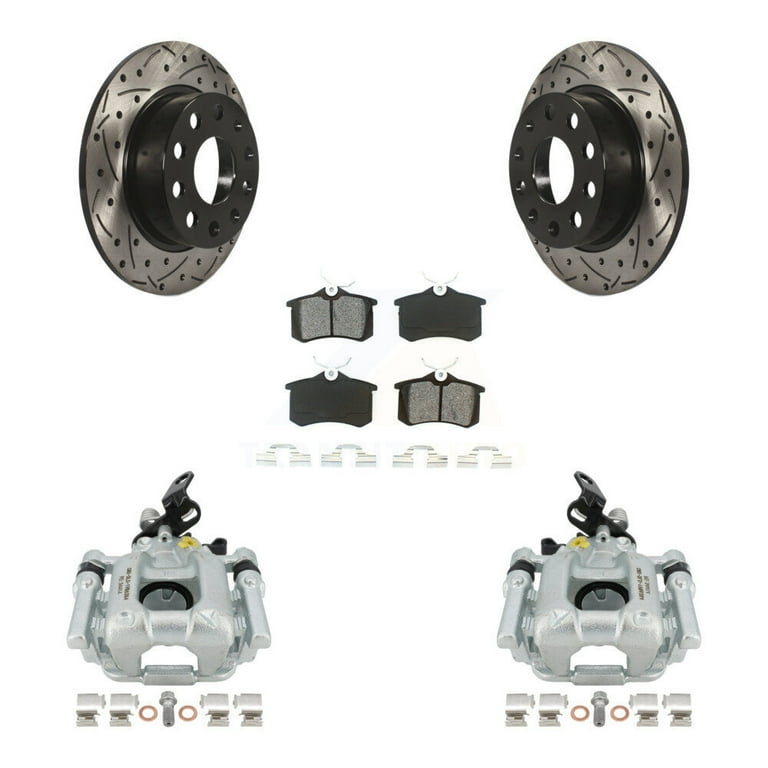
Credit: www.walmart.com
Frequently Asked Questions
Are Transit Auto Brakes Reliable For Daily Driving?
Transit Auto Brakes are designed for consistent performance in daily driving. They provide smooth stopping power and enhanced safety. Many users report durability and responsiveness in various weather conditions. Regular maintenance ensures their optimal function and longevity on the road.
How Do Transit Auto Brakes Improve Vehicle Safety?
Transit Auto Brakes enhance safety by offering quicker response times and better control. They reduce stopping distances and help prevent accidents. Advanced technology in these brakes ensures stable braking under different road conditions, increasing driver confidence and passenger protection.
Are Transit Auto Brakes Compatible With All Vehicle Models?
Transit Auto Brakes are compatible with most transit and commercial vehicle models. However, checking your specific vehicle’s brake system compatibility is essential. Consulting a professional mechanic or the manufacturer’s guidelines ensures proper fit and optimal brake performance.
What Maintenance Is Required For Transit Auto Brakes?
Regular inspection of brake pads, discs, and fluid levels is crucial. Cleaning and timely replacement of worn components maintain brake efficiency. Following the manufacturer’s recommended service intervals helps avoid brake failure and extends the brake system’s lifespan.
Conclusion
Transit auto brakes offer reliable stopping power and safety. They respond quickly to driver input, helping avoid accidents. Many users find them easy to maintain and cost-effective. These brakes suit daily driving and heavy traffic well. Choosing good brakes improves your vehicle’s control and confidence.
Always check reviews and fit for your specific model. Safe driving depends on good brake performance every time. Consider transit auto brakes as a solid option for your needs.