
Are you tired of constantly adjusting your sewing machine’s tension and getting uneven stitches? You’re not alone.
Many sewists wonder if sewing machines with auto tension control really deliver reliable, consistent results. Imagine a machine that senses the perfect tension for every fabric and thread without you lifting a finger. Sounds like a dream, right? But can these features be trusted to make your sewing smoother and stress-free?
Keep reading to discover the truth about auto tension control and how it could change the way you sew forever.
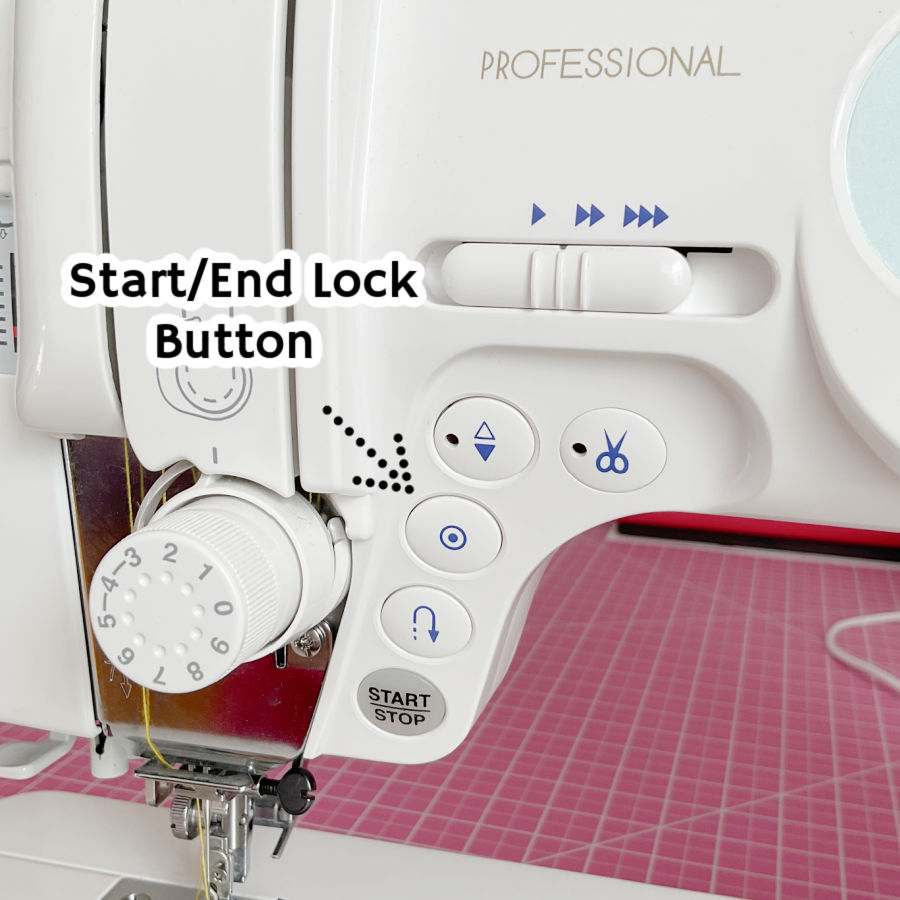
Credit: www.ageberry.com
How Auto Tension Control Works
Auto tension control helps keep the thread tight while sewing. It stops loose or tight stitches.
The system adjusts the thread tension automatically. This makes sewing easier and more accurate.
Mechanism Behind Auto Tension
Auto tension works by sensing how the thread moves. It then changes the tension to fit the fabric.
Sensors or mechanical parts detect thread pull or fabric thickness. The machine adjusts the tension discs or springs.
- Tension discs open or close to change tightness
- Springs control how much pressure is applied
- Sensors measure thread speed or pull force
Types Of Auto Tension Systems
There are different ways machines control thread tension automatically. Each type fits certain sewing needs.
Some systems use mechanical parts, others use electronic sensors and motors.
- Mechanical systems:Use springs and discs to adjust tension by fabric thickness.
- Electronic systems:Use sensors and motors to control thread tightness precisely.
- Hybrid systems:Combine mechanical and electronic parts for better control.
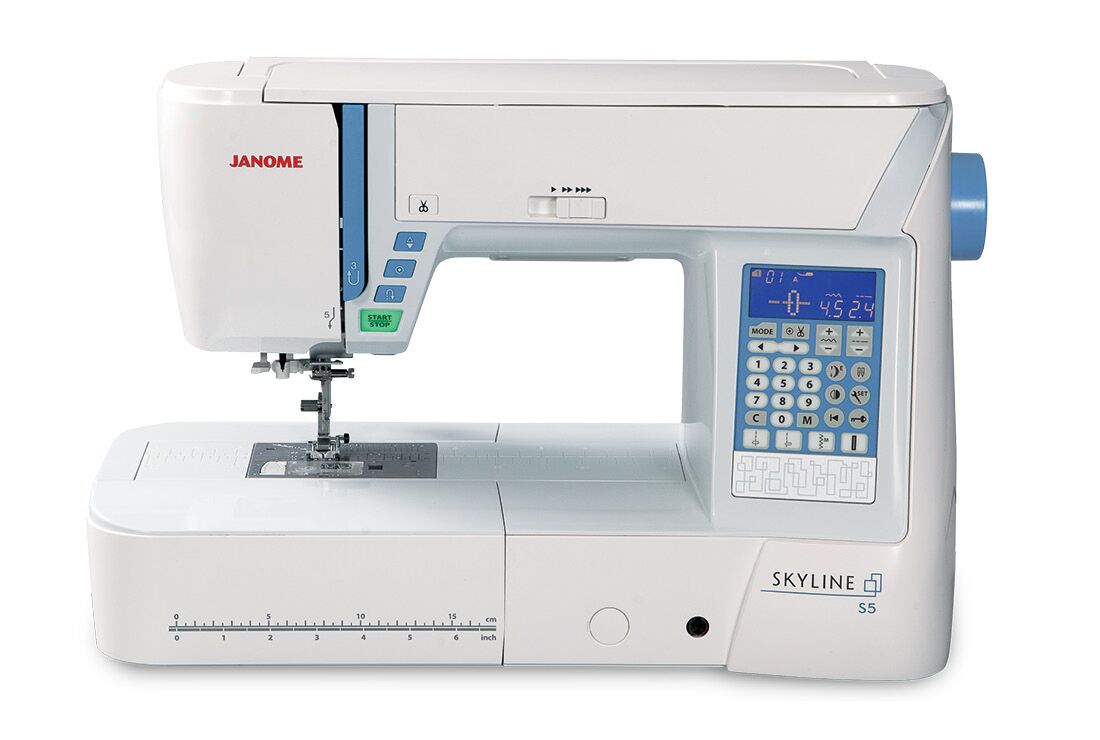
Credit: www.janome.ca
Benefits Of Auto Tension Control
Sewing machines with auto tension control help keep stitches even and strong. They adjust thread tension automatically for different fabrics.
This feature makes sewing easier and more accurate. It reduces errors caused by wrong tension settings.
Consistent Stitch Quality
Auto tension control maintains steady thread tension. This results in neat, even stitches on all fabric types.
- Prevents loose or tight stitches
- Improves overall sewing appearance
- Reduces fabric puckering and damage
- Works well with thick and thin materials
Time-saving Features
Auto tension control cuts down setup time. Users do not need to adjust tension manually for each project.
| Benefit | Impact |
| Automatic tension adjustment | Less manual work |
| Faster fabric changes | More sewing time |
| Reduced errors | Less rework |
| Consistent stitch quality | Quicker project completion |
User-friendly Operation
Machines with this feature are easier to use. Beginners find it simpler to sew without tension problems.
- Automatic tension saves guesswork
- Less need for technical knowledge
- Focus on creativity, not settings
- More confidence while sewing
Common Issues And Challenges
Sewing machines with auto tension control help keep stitches even. They adjust the thread tension automatically. This feature can save time and effort.
Still, these machines face some problems. Understanding these issues helps users work better with them.
Potential Malfunctions
Auto tension control parts can stop working properly. Sensors may fail or send wrong signals. This can cause uneven stitches or thread breaks.
Sometimes, the tension does not adjust for thick or thin fabrics well. This may lead to loose or tight stitches that ruin the sewing project.
- Sensor failure
- Incorrect tension adjustment
- Thread breakage
- Uneven stitches
Limitations In Fabric Handling
Auto tension control works best on medium-weight fabrics. Very thick or very thin materials can confuse the system. This causes tension errors and bad stitch quality.
Some fabrics like stretch or slippery types need manual tension tweaks. The machine may not adjust well on its own, leading to poor results.
- Struggles with very thick fabrics
- Issues with thin or delicate fabrics
- Needs manual help on stretch fabrics
- Slippery fabrics cause tension problems
Maintenance Requirements
Auto tension control machines need regular care. Sensors and parts must be cleaned and checked often. Dust and lint can block sensors and affect performance.
Ignoring maintenance can cause malfunctions and shorten machine life. Proper upkeep keeps the tension system working well.
- Clean sensors regularly
- Check for worn parts
- Remove lint and dust
- Follow machine service schedule
Expert Opinions On Reliability
Sewing machines with auto tension control adjust thread tension automatically. This feature aims to make sewing easier and more consistent.
Experts have shared their views on how reliable these machines are in daily use. Their opinions help us understand the strengths and limits of auto tension control.
Insights From Professional Sewers
Many professional sewers say auto tension control works well for common fabrics. It saves time and reduces guesswork.
Some experts find that the system can struggle with very thick or slippery materials. They often adjust tension manually for those fabrics.
- Auto tension helps beginners avoid errors
- Experienced sewers prefer manual tweaks for special projects
- Auto tension reduces thread breaks in most cases
- Some machines need regular calibration to keep tension accurate
Manufacturer Perspectives
Manufacturers design auto tension control to improve sewing speed and ease. They test these systems to meet quality standards.
Brands often highlight how their tension control adapts to different threads and fabrics. They provide settings for users to fine-tune the system.
- Auto tension helps reduce user errors
- Systems include sensors to monitor thread tension
- Some models offer manual override options
- Regular maintenance ensures tension parts work correctly
Comparisons With Manual Tension
Manual tension control gives users full control over thread tightness. It requires skill and experience to set correctly.
Auto tension control makes sewing simpler but may not always match manual precision. Both have pros and cons depending on the user’s needs.
| Aspect | Auto Tension Control | Manual Tension Control |
|---|---|---|
| Ease of Use | High – automatic adjustment | Lower – requires skill |
| Precision | Good for most fabrics | Better for special fabrics |
| Speed | Faster setup | Slower setup |
| Maintenance | Needs sensor checks | Simple mechanical parts |
Choosing The Right Machine
Sewing machines with auto tension control can make sewing easier. Picking the right one helps you get good results every time.
Look at important features before buying. The right machine saves time and gives better stitches.
Key Features To Consider
Auto tension control adjusts thread tension automatically. This helps prevent loose or tight stitches. Check if the machine lets you adjust tension manually too. Look for strong motor power and easy stitch selection. The machine should handle the fabrics you plan to sew.
- Automatic and manual tension options
- Variety of stitch patterns
- Strong motor for thick fabrics
- User-friendly controls
- Durable build quality
Price Versus Performance
Price does not always show machine quality. You can find good machines at different price points. Think about how often you will use the machine. A cheaper model might work well for light sewing. Heavy use needs a stronger, more costly machine.
| Price Range | Best For | Features |
| Under $150 | Beginners, light sewing | Basic stitches, limited auto tension |
| $150 – $400 | Regular users | More stitches, good tension control |
| Above $400 | Advanced sewing, heavy fabrics | Strong motor, many features, reliable auto tension |
Brand Reputation And Support
Choose brands known for quality and support. Good brands offer clear manuals and help if you have problems. Look for warranty and repair services near you. Reviews from other buyers give useful info about reliability.
- Check online reviews and ratings
- Look for warranty terms
- Find local service centers
- Choose brands with good customer support
Tips To Maximize Auto Tension Performance
Sewing machines with auto tension control offer convenience and precision. Proper use enhances reliability and performance. Let’s explore some tips to get the most out of your machine.
Understanding the setup, maintenance, and troubleshooting processes can help you achieve consistent results. Follow these guidelines to ensure your sewing machine operates smoothly.
Proper Setup And Calibration
Setting up your sewing machine correctly is crucial. Proper calibration ensures that the auto tension function works as intended. Follow these steps to set up your machine:
- Place the machine on a stable surface.
- Thread the machine according to the manual.
- Adjust the tension dial to the recommended setting.
Regular Maintenance Practices
Maintaining your machine regularly prevents issues. Simple practices can prolong the life of your machine and keep the auto tension feature effective.
- Clean the machine after every use to remove lint.
- Oil the moving parts as per the manual.
- Check the needle for damage or wear.
Troubleshooting Common Problems
Even with proper care, issues may arise. Knowing how to troubleshoot common problems helps maintain performance.
| Problem | Solution |
| Thread bunching | Re-thread the machine carefully. |
| Uneven stitches | Adjust the tension settings. |
| Machine noise | Oil the moving parts. |
Credit: www.ageberry.com
Frequently Asked Questions
What Is Auto Tension Control In Sewing Machines?
Auto tension control automatically adjusts thread tension for consistent stitching. It reduces manual effort and errors, improving sewing quality and efficiency.
Are Sewing Machines With Auto Tension Control Easy To Use?
Yes, these machines simplify tension settings. They help beginners and experts achieve smooth stitches without constant adjustments.
Do Auto Tension Controls Improve Stitch Quality?
Auto tension controls ensure balanced stitches by maintaining proper thread tension. This results in professional-looking, durable seams on various fabrics.
Can Auto Tension Control Machines Handle Different Fabrics?
Yes, they adapt tension based on fabric thickness and type. This versatility allows sewing diverse materials without manual tension changes.
Conclusion
Sewing machines with auto tension control offer steady stitching results. They help keep thread tight and fabric smooth without much effort. These machines suit both beginners and skilled users alike. Regular maintenance ensures they work well for a long time.
Choose one that fits your sewing style and budget. Overall, they provide reliable support for many sewing projects. Trust in their ability to improve your sewing experience. No need to worry about uneven stitches anymore. A practical choice for consistent and easy sewing.