
Are you wondering if your truck really needs clearance lights? Whether you drive a small pickup or a heavy-duty rig, understanding the rules about these lights can save you from costly fines and keep you safe on the road.
Clearance lights aren’t just about following the law—they help other drivers see your vehicle clearly, especially at night or in bad weather. Keep reading to find out exactly when and why clearance lights are required on your truck, and how you can make sure you’re driving smart and legal.

Credit: xpriteusa.com
Clearance Lights Basics
Clearance lights are small lights on trucks. They show the size of the vehicle. This helps other drivers see the truck better.
These lights are important for safety. They help avoid accidents, especially at night or in bad weather.
Purpose Of Clearance Lights
Clearance lights tell other drivers how wide and tall the truck is. They make the truck more visible. This is very important on dark roads or in fog.
- Show the truck’s width and height
- Help prevent collisions
- Make trucks easier to see at night
- Meet legal safety requirements
Types Of Clearance Lights
There are different kinds of clearance lights on trucks. Each type has a special place and function.
| Type | Location | Purpose |
| Front Clearance Lights | Top front corners | Show truck width and height from the front |
| Side Marker Lights | Sides of the truck | Mark the length of the vehicle |
| Rear Clearance Lights | Top rear corners | Show truck size from behind |
| Reflectors | Front, side, and rear | Reflect light to improve visibility |
Legal Requirements
Clearance lights on trucks are safety features that help other drivers see wide or large vehicles. Laws require these lights to prevent accidents on the road.
Understanding the legal rules about clearance lights helps truck drivers stay safe and avoid fines. These rules come from federal and state authorities.
Federal Regulations
The Federal Motor Vehicle Safety Standards set the main rules for clearance lights on trucks. These rules apply across the United States for all commercial trucks.
- Trucks over 80 inches wide must have clearance lights.
- Lights must be amber or yellow in color.
- Clearance lights should be visible from at least 500 feet away.
- They must be placed on the front, sides, and rear of the truck.
- Lights must be steady, not flashing or blinking.
These rules help other drivers judge the size and position of a truck on the road.
State-specific Rules
Each state can add extra rules about clearance lights. These rules vary depending on the local road conditions and safety needs.
| State | Clearance Light Requirement | Notes |
| California | Required on trucks wider than 80 inches | Must be amber and visible from 500 feet |
| Texas | Required on trucks over 102 inches wide | Additional side marker lights needed |
| Florida | Clearance lights required on all commercial trucks | Stricter enforcement during night hours |
| New York | Required for vehicles wider than 80 inches | Lights must be inspected yearly |
Truck drivers should check their state’s laws before driving. This helps avoid penalties and ensures safety for all road users.
Vehicle Size And Lighting Rules
Clearance lights help other drivers see large trucks on the road. Rules tell us when trucks must have these lights.
This guide explains the size limits that need clearance lights. It also shows when the lights become required.
Width And Height Criteria
Trucks over a certain width or height need clearance lights. These lights show the truck’s full size to others.
Clearance lights are usually placed on the top and sides. They mark the truck’s width and height clearly.
- Width: Trucks wider than 80 inches must have clearance lights
- Height: Trucks taller than 13 feet 6 inches need clearance lights
- Lights help in low visibility and night driving
When Clearance Lights Become Mandatory
Clearance lights become mandatory for trucks that exceed size limits. This rule helps prevent accidents.
Many states and federal rules say clearance lights must be on if the truck is too wide or tall.
- If the truck is more than 80 inches wide
- If the truck is taller than 13 feet 6 inches
- If the truck is designed to carry heavy or oversized loads
Installation And Placement
Clearance lights help other drivers see trucks better at night. They show the truck’s size and shape. Installing them correctly is very important for safety and legality.
Knowing where and how to place clearance lights can avoid fines and accidents. This guide explains how to install and position clearance lights on trucks.
Correct Positioning On Trucks
Clearance lights must be placed at the truck’s widest points. This helps other drivers judge the truck’s width. They usually go on the front and rear of the truck.
The top edge of the truck’s cab or trailer is a common spot. Lights should be evenly spaced and visible from a distance. Proper height is also important to meet legal rules.
- Place lights at the truck’s widest points
- Mount lights at the top edge of the cab or trailer
- Space lights evenly across the width
- Ensure lights are visible from the front and rear
- Follow height requirements set by law
Common Installation Mistakes
Many truck owners make mistakes when installing clearance lights. One mistake is placing them too low or too close together. This reduces their visibility and effectiveness.
Another error is using the wrong type of lights or wiring them poorly. This can cause lights to fail or flicker. Not securing the lights properly may lead to damage from road vibrations.
- Mounting lights too low or close together
- Using incorrect or non-compliant lights
- Poor wiring that causes flickering or failure
- Failing to secure lights firmly to the truck
- Ignoring the manufacturer’s installation guidelines
Safety Benefits
Clearance lights on trucks play a key role in road safety. They help other drivers see the truck better, especially in low light or bad weather.
These lights are not just a legal need but also improve safety by making trucks more visible and helping to avoid accidents.
Improved Visibility
Clearance lights outline the size and shape of a truck at night or in poor weather. This helps other drivers judge the truck’s width and height.
- Make trucks easier to see from far away
- Help drivers judge distance better
- Improve visibility in fog, rain, or darkness
- Reduce blind spots around large vehicles
Accident Prevention
Clearance lights alert other road users to the truck’s presence. This reduces the chance of collisions on busy roads or highways.
| Benefit | How It Helps |
| Early Warning | Lights signal truck size and position |
| Better Reaction Time | Drivers see trucks sooner and react faster |
| Safe Lane Changes | Lights mark truck edges for safer passing |
| Night Safety | Lights keep trucks visible in the dark |

Credit: www.amazon.ca
Maintenance Tips
Clearance lights are important for truck safety. They help other drivers see your vehicle at night or in bad weather. Keeping them in good condition ensures your truck is always visible.
Regular maintenance of clearance lights helps prevent accidents. It also avoids fines for broken or missing lights. Here are some tips to keep your lights in top shape.
Regular Inspection
Check your clearance lights regularly. Look for cracks, dirt, or damage. Clean them often to ensure they shine brightly.
Inspect the wiring and connections. Loose or corroded wires can cause lights to fail. Fix any issues you find right away.
- Inspect lights weekly
- Clean lenses with a soft cloth
- Check wires for damage
- Tighten loose connections
Replacing Faulty Lights
If a light is not working, replace it quickly. Use the correct type of bulb for your truck. This ensures proper brightness and function.
Carry spare bulbs in your vehicle. This way, you can replace faulty lights anytime. Keep a basic tool kit for easy installation.
| Step | Action |
| 1 | Remove the old bulb |
| 2 | Insert the new bulb |
| 3 | Test the light |
Penalties For Non-compliance
Trucks need clearance lights to stay legal and safe on the road. Not having them can lead to serious consequences.
Understanding these penalties can help truck owners avoid unnecessary costs and issues.
Fines And Citations
Trucks without clearance lights can face fines and citations from law enforcement. These penalties vary by state and severity of the offense.
- First-time offenses might result in warnings or small fines.
- Repeated offenses can lead to higher fines.
- Serious violations may include court appearances.
Impact On Insurance
Non-compliance with clearance light regulations can affect insurance policies. Insurance companies may see it as a risk factor.
| Issue | Potential Impact |
| Non-Compliance | Higher premiums |
| Frequent Violations | Policy cancellation |
| Accident Due to Non-Compliance | Claim denial |
Ensuring your truck is compliant can save you from costly insurance issues and keep you legally protected.
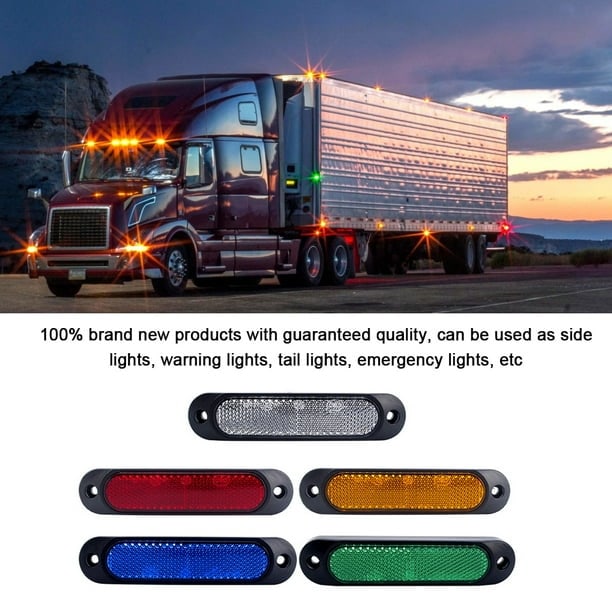
Credit: www.mydeal.com.au
Frequently Asked Questions
Are Clearance Lights Mandatory For All Trucks?
Clearance lights are required on trucks wider than 80 inches. They improve visibility and safety, especially at night or in poor weather. These lights help other drivers judge the truck’s size and position on the road.
What Colors Are Clearance Lights On Trucks?
Trucks use amber clearance lights on the front and sides. Red clearance lights are placed on the rear. These standardized colors comply with safety regulations and ensure trucks are easily identifiable on the road.
How Many Clearance Lights Must A Truck Have?
Trucks over 80 inches wide must have at least three clearance lights on the front. Additional lights are required on the sides and rear based on the truck’s length and width. This setup maximizes visibility for other drivers.
Do Clearance Lights Affect Truck Safety Ratings?
Yes, properly functioning clearance lights improve truck safety ratings. They reduce accidents by making trucks more visible in low-light conditions. Compliance with lighting regulations is a key factor in safety inspections.
Conclusion
Clearance lights help trucks stay visible on the road. They show the truck’s size and shape to other drivers. Many laws require trucks to have these lights. They improve safety, especially at night or in bad weather. Skipping clearance lights can lead to fines or accidents.
It’s smart to check local rules and keep your truck well-lit. Safety on the road is always a top priority. Don’t overlook the simple step of using clearance lights. They protect you and others while driving.