
If you’ve ever faced a dead car battery, you know how important having the right jumper cables can be. But are Auto Xs 4 Gauge Jumper Cables really good enough to get you back on the road quickly and safely?
You want cables that are reliable, easy to use, and built to last. You’ll discover everything you need to know about these jumper cables—so you can make the best choice when it matters most. Keep reading, because your next jump start could depend on it.

Credit: www.ebay.com
Gauge Size And Power Delivery
Jumper cables come in different gauge sizes. The gauge size affects how well they deliver power. Using the right gauge helps start a car safely.
4 gauge cables are thicker than many other sizes. This thickness allows more electricity to flow. It makes them a popular choice for many drivers.
What 4 Gauge Means
The gauge number shows the thickness of the cable wire. A lower gauge means thicker wire. So, 4 gauge cables are thicker than 6 or 8 gauge cables.
- 4 gauge cable diameter is about 5.19 mm
- Thicker cables have less resistance
- Less resistance means better power flow
- Good for higher current and longer distances
Current Capacity Comparison
| Gauge Size | Wire Diameter (mm) | Max Current Capacity (Amps) | Best Use |
|---|---|---|---|
| 8 Gauge | 3.26 | 40-55 | Small cars, short jump starts |
| 6 Gauge | 4.11 | 55-75 | Medium cars, moderate distances |
| 4 Gauge | 5.19 | 70-95 | Large cars, trucks, longer distances |
| 2 Gauge | 6.54 | 95-130 | Heavy trucks, very long distances |
Credit: www.homedepot.com
Build Quality And Materials
Auto XS 4 gauge jumper cables have a strong build. Good materials help cables last long and work well.
We look at two key parts: cable insulation and clamp design. Both affect how safe and easy the cables are to use.
Cable Insulation Types
The insulation protects the wires inside the cables. It keeps electricity flowing safely and stops damage from heat and moisture.
- PVC (Polyvinyl Chloride):Flexible and resistant to wear. It handles cold and heat well.
- Rubber:Thick and durable. It offers good grip and protects wires from cracks.
- TPU (Thermoplastic Polyurethane):Tough and abrasion-resistant. TPU resists oils and chemicals.
Clamp Design And Grip
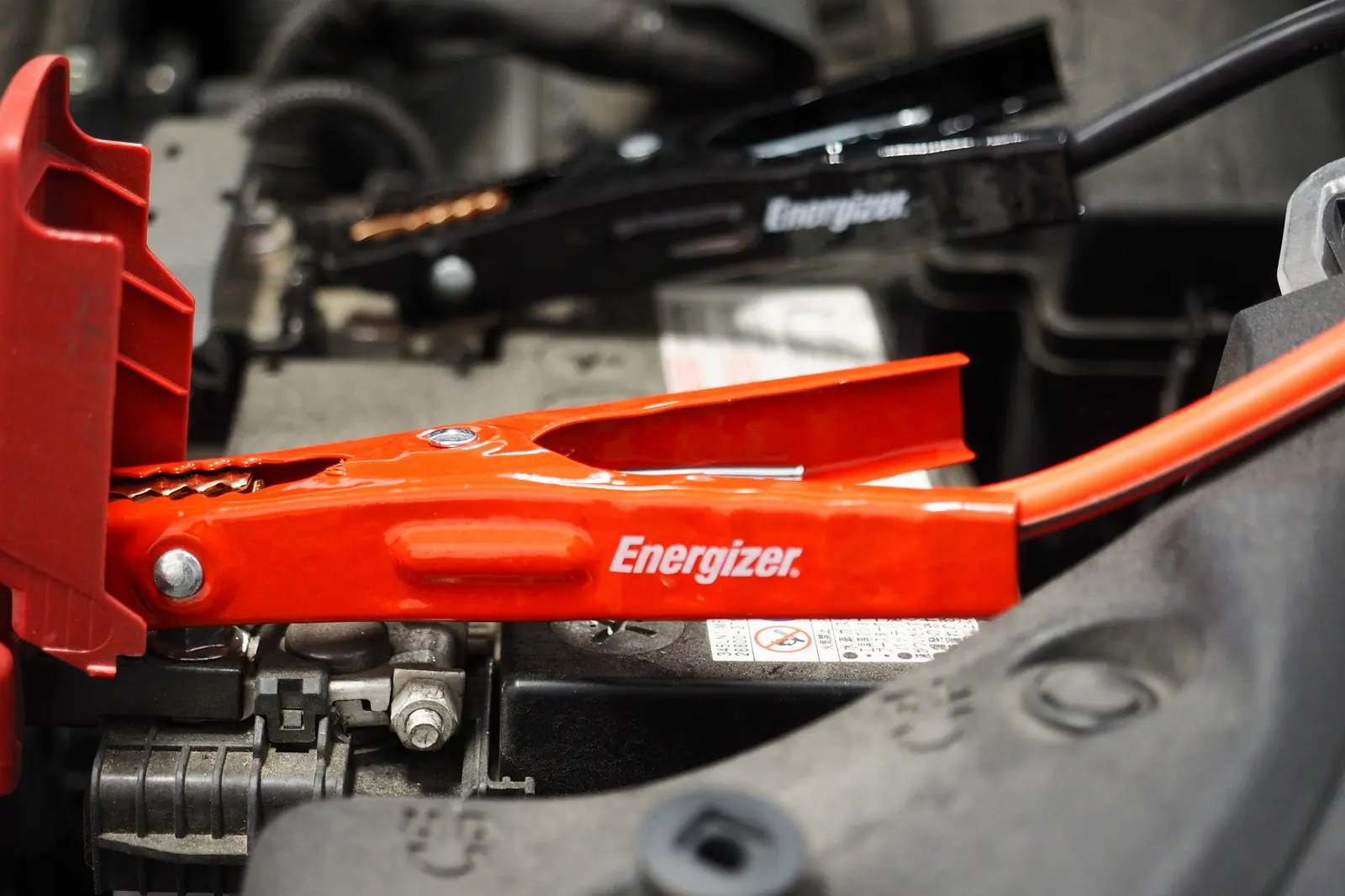
The clamps connect the cables to the battery terminals. A good clamp grips tightly and stays in place.
| Clamp Feature | Why It Matters |
|---|---|
| Strong Springs | Hold clamps firmly on battery posts for secure connection. |
| Copper-Plated Jaws | Improve electrical flow and resist corrosion. |
| Insulated Handles | Protect hands and prevent accidental shocks. |
| Wide Jaw Opening | Fit various battery post sizes easily. |
Performance In Real-world Use
Auto XS 4 gauge jumper cables are widely used for starting vehicles. Their performance depends on many real-world factors. Understanding how they work can help users rely on them safely.
These cables must deliver enough power quickly. Their thickness and length affect how well they transfer electricity. Real-life tests show how they perform in different situations.
Starting Different Vehicle Types
Thicker cables like 4 gauge work well with many vehicle types. They support small cars and medium trucks without much power loss. Users report good results with:
- Compact cars
- Mid-size SUVs
- Light trucks
- Motorcycles with 12V batteries
Heavier vehicles may need thicker cables for faster starts. Still, 4 gauge cables can handle most common vehicles. Their flexibility makes them easy to use across many models.
Effectiveness In Cold Weather
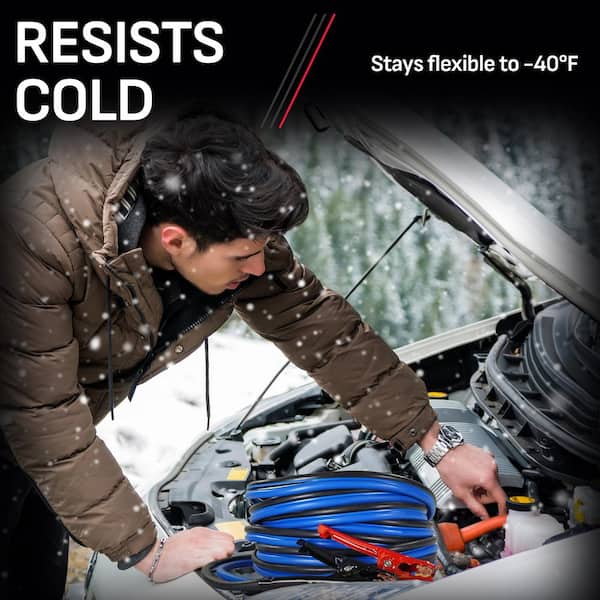
Cold weather lowers battery power and slows engine start. Jumper cables must maintain strong current flow despite low temperatures. Auto XS 4 gauge cables perform well in the cold.
| Temperature | Performance Notes |
| Above 32°F (0°C) | Normal power transfer |
| 14°F (-10°C) | Slight voltage drop but starts engine |
| Below 0°F (-18°C) | Needs longer connection time, still effective |
Using these cables in cold weather requires firm, clean connections. This ensures maximum power flow. Overall, they offer reliable starting help even in winter conditions.
Safety Features And Precautions
Using Auto XS 4 gauge jumper cables safely is very important. These cables help start cars but must be handled with care.
Knowing the safety features and how to avoid risks keeps you and your vehicle safe during use.
Overheating Risks
Overheating can damage jumper cables and car batteries. It happens if cables carry too much current or stay connected too long.
- Do not use cables with a gauge thinner than 4 for heavy-duty vehicles.
- Limit the jump-start process to a few minutes.
- Disconnect cables immediately after the car starts.
- Avoid touching cable clamps together during use.
- Check cables for damage before each use.
Proper Connection Techniques
Connecting jumper cables correctly prevents sparks and electrical shorts. Follow a safe order to attach cables.
| Connection Step | Clamp Placement | Reason |
|---|---|---|
| 1 | Positive (+) clamp to dead battery | Start the circuit safely |
| 2 | Positive (+) clamp to good battery | Complete the positive side |
| 3 | Negative (-) clamp to good battery | Begin negative side connection |
| 4 | Negative (-) clamp to metal ground on dead car | Reduce spark risk near battery |
User Reviews And Feedback
Auto Xs 4 Gauge Jumper Cables receive varied feedback from users. These insights help understand their performance.
Let’s explore what users are saying about these jumper cables. We will look at both compliments and issues reported by users.
Common Compliments
Many users are satisfied with the performance of Auto Xs 4 Gauge Jumper Cables. They highlight several positive aspects.
- Strong and durable construction
- Easy to use and handle
- Effective in jump-starting vehicles quickly
- Good length for versatile use
Reported Issues
Despite positive feedback, some users report issues with the jumper cables. These issues are worth noting.
| Issue | Description |
| Clamps | Some users find them hard to open |
| Storage | Bulky, hard to store in small spaces |
| Weight | Heavier than expected for some users |
Comparison With Other Gauges
Jumper cables come in various gauges. Gauge size affects their performance. Understanding these differences helps in choosing the right cables.
We will look at how 4-gauge jumper cables compare to other common gauges. This includes 2-gauge and 6-gauge cables.
2 Gauge Vs 4 Gauge
2-gauge cables are thicker than 4-gauge cables. Thicker cables carry more current. This is useful for larger vehicles like trucks and SUVs.
4-gauge cables are suitable for most cars. They are lighter and easier to handle. For regular cars, they provide enough power to jump-start the battery.
- 2-gauge: Best for larger vehicles
- 4-gauge: Ideal for standard cars
6 Gauge Vs 4 Gauge
6-gauge cables are thinner than 4-gauge cables. Thinner cables carry less current. They are suitable for smaller vehicles or motorcycles.
4-gauge cables provide more power than 6-gauge. This makes them more versatile for different car types. They are a good middle-ground option.
- 6-gauge: Best for small vehicles
- 4-gauge: More versatile for various cars
Price And Value Considerations
Choosing the right jumper cables requires thinking about both cost and how well they work. Auto XS 4 gauge jumper cables are often talked about for their balance between price and quality.
Understanding the value means looking at how much you pay and what you get in return. This helps you make a smart choice for your budget and needs.
Cost Vs Performance
Auto XS 4 gauge jumper cables usually cost less than thicker cables but still perform well for most car batteries. They offer good power flow without the high price.
- Lower price than 2 gauge cables
- Good for small to medium vehicles
- Less bulky and easier to store
- May not work as fast for very large engines
Durability And Longevity
| Feature | Auto XS 4 Gauge Cables | Typical Heavy-Duty Cables |
| Wire Thickness | 4 gauge | 2 gauge or thicker |
| Insulation Material | PVC or similar plastic | Rubber or heavy-duty plastic |
| Resistance to Wear | Moderate | High |
| Expected Lifespan | 3-5 years with normal use | 5-8 years or more |
These cables are built to last but may not handle rough or frequent use like heavier cables. Proper storage and careful use can help them last longer.
Credit: gearjunkie.com
Frequently Asked Questions
Are Auto Xs 4 Gauge Jumper Cables Durable?
Auto Xs 4 gauge jumper cables are made with high-quality copper wire. They offer good durability and resist corrosion well. These cables can handle frequent use and harsh weather, making them reliable for emergency jump-starts.
How Effective Are 4 Gauge Jumper Cables?
4 gauge jumper cables provide strong current flow for most vehicles. They are thicker than 6 gauge cables, offering faster and safer jump-starts. This gauge is ideal for cars, SUVs, and light trucks needing reliable power transfer.
Can Auto Xs 4 Gauge Cables Jump-start Large Vehicles?
Auto Xs 4 gauge jumper cables work well for cars and light trucks. However, they may struggle with very large vehicles or diesel engines requiring more power. For heavy-duty trucks, thicker cables like 2 gauge are recommended.
Are Auto Xs 4 Gauge Cables Easy To Use?
Yes, Auto Xs 4 gauge jumper cables come with ergonomic clamps. They are flexible and tangle-free, making connection simple. Their length provides enough reach between vehicles during jump-starts, enhancing user convenience.
Conclusion
Auto XS 4 gauge jumper cables offer reliable power for most vehicles. Their thickness allows good current flow for quick starts. They work well for cars, trucks, and SUVs. These cables are easy to use and store. Keep them in your car for emergencies.
Always check the cable condition before use. Good cables help avoid battery problems on the road. Choose quality cables for safety and performance. Overall, Auto XS 4 gauge jumper cables are a solid choice for everyday needs. Safe, simple, and effective.