
Have you ever wondered if the leather seats in your car are truly leather? It’s a question many drivers ask but few get a clear answer to.
You might think that when a car advertises “leather seats,” it means genuine leather—right? Not always. Understanding what’s really behind those seats can change how you feel about your car’s quality and value. Keep reading, and you’ll discover the truth about auto leather seats and how to spot the difference for yourself.
Types Of Auto Leather Seats
Auto leather seats come in different types. Knowing the type helps you understand their quality and care needs.
Some seats use real leather, while others use synthetic materials. Each type has unique features.
Genuine Leather
Genuine leather is made from real animal hides. It feels soft and looks natural.
This leather ages well and gets a unique patina over time. It needs regular cleaning and conditioning.
Synthetic Leather
Synthetic leather is man-made. It often uses plastic materials to look like real leather.
This type is more affordable and easier to clean. It does not age like real leather.
Leatherette And Vinyl
Leatherette and vinyl are types of synthetic leather. They are often used in budget cars.
Leatherette feels softer than vinyl but still resists wear and water. Vinyl is very durable but less breathable.
- Leatherette: soft, easy to clean, looks like leather
- Vinyl: tough, water-resistant, less comfortable

Credit: angelusdirect.com
How Leather Seats Are Made
Leather seats in cars look stylish and feel soft. But how are they made? Understanding the process helps you know if the seats are real leather.
The making of leather seats involves two main parts: tanning and finishing. These steps turn animal hides into strong, beautiful leather.
Tanning Processes
Tanning changes raw animal hides into leather. It stops the hide from rotting and makes it durable. There are different tanning methods used to create various leather types.
- Vegetable Tanning:Uses natural plant extracts. It creates firm, stiff leather often used for bags and belts.
- Chrome Tanning:Uses chromium salts. It is faster and makes soft, flexible leather common in car seats.
- Alum Tanning:Uses aluminum salts. It creates white or pale leather for special products.
- Brain Tanning:Uses animal brains or oils. It produces very soft leather but is less common today.
Finishing Techniques
After tanning, leather goes through finishing to improve its look and feel. Finishing can add color, shine, and protect the leather from damage.
| Finishing Method | Purpose | Effect on Leather |
|---|---|---|
| Dyeing | Adds color | Uniform color inside and outside the leather |
| Surface Coating | Protects surface | Gives shine and resistance to water and stains |
| Embossing | Creates texture | Imprints patterns like grain or designs |
| Polishing | Improves look | Makes leather smooth and glossy |
Identifying Real Leather
Auto leather seats look stylish and feel nice. But not all leather seats are real leather.
Knowing how to tell real leather from fake helps you understand your car better.
Visual Clues
Real leather has natural marks like small scars or wrinkles. Fake leather looks very smooth and perfect.
Check the edges of the seat. Real leather edges look rough, but fake leather edges are smooth and plastic-like.
- Look for natural imperfections
- Check if the surface looks too uniform
- Observe the edges for roughness
Touch And Feel
Real leather feels soft and warm to touch. Fake leather often feels cold and plastic-like.
Press the seat gently. Real leather stretches a little and returns to shape. Fake leather does not stretch well.
- Soft and warm texture
- Natural stretch and bounce
- Fake leather feels hard or sticky
Smell Test
Real leather has a distinct, natural smell. It smells like animal hide or fresh leather goods.
Fake leather often smells like plastic or chemicals. This is a clear sign it is not real leather.
- Natural leather has a rich, earthy smell
- Fake leather has a chemical or plastic smell
- Smell is stronger when seats are new
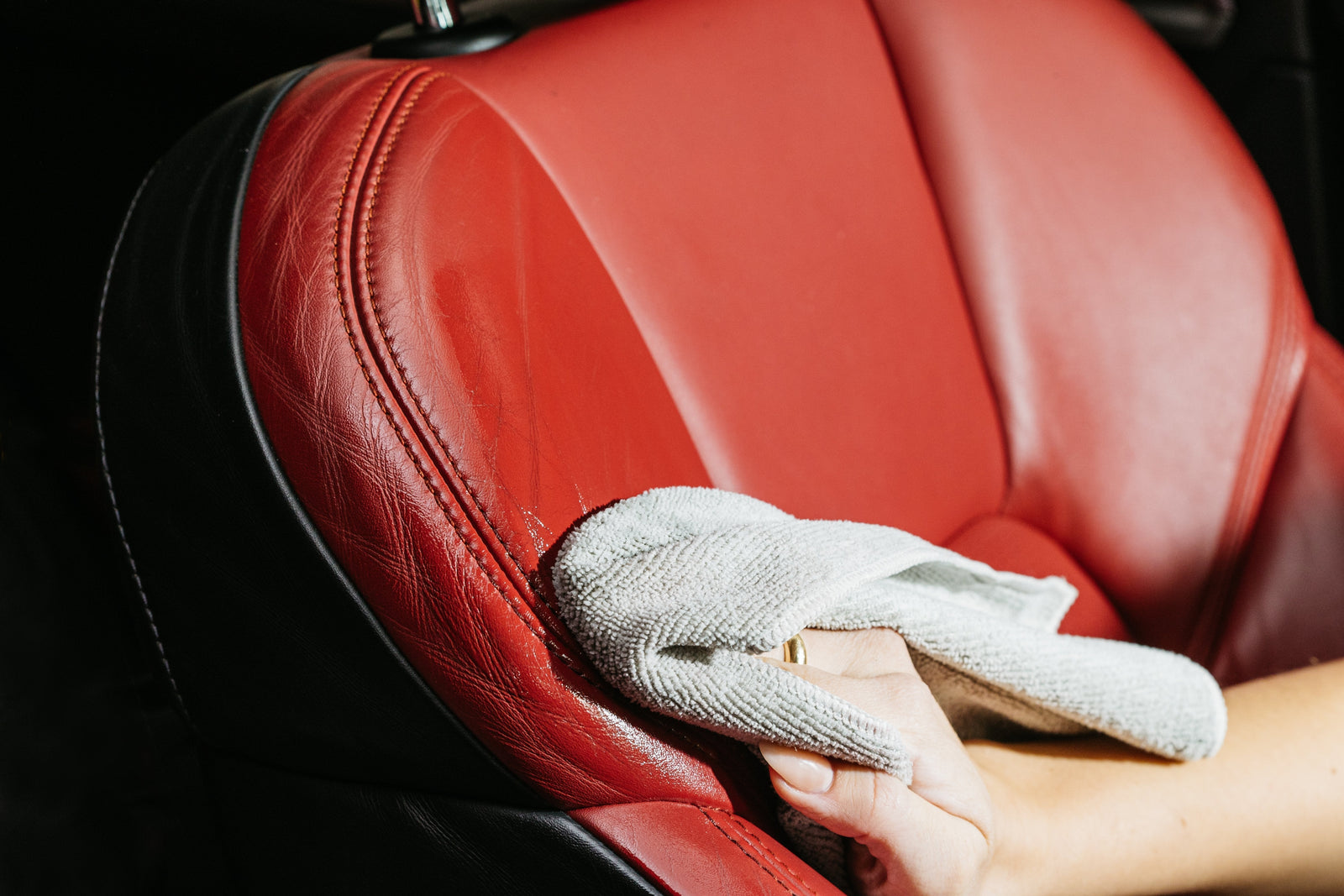
Credit: www.leatherhoney.com
Pros And Cons Of Leather Seats
Leather seats are popular in many cars. People wonder if they are real leather or not.
Leather seats have good and bad points. It helps to know them before choosing.
Durability And Comfort
Leather seats last a long time if cared for well. They do not tear easily.
Leather feels soft and cool to touch. It can be more comfortable than cloth seats.
- Leather resists spills and stains better
- It can get hot in summer and cold in winter
- Leather seats may become slippery
Maintenance And Care
Leather seats need regular cleaning. Use special cleaners to keep them soft.
Without care, leather can crack or fade. It needs protection from sun damage.
- Clean spills quickly to avoid stains
- Use leather conditioner every few months
- Avoid harsh chemicals that dry out leather
Cost Considerations
Leather seats cost more than fabric seats. This adds to the car price.
Repairing leather is often more expensive. It is harder to replace than cloth.
- Leather seats increase vehicle resale value
- High cost may not suit all budgets
- Consider long-term care expenses
Common Misconceptions About Leather Seats
Many people think all auto leather seats are the same. They assume leather means high quality and real animal hide. This is not always true.
Leather seats can vary in type, quality, and how they affect the car’s value. Let’s clear up some common myths.
Leather Quality Myths
Not all leather seats use top-grade leather. Some use leather mixed with synthetic materials. This mix can look like leather but feel different.
There is also bonded leather, which is made from leftover leather scraps glued together. It is cheaper and less durable than full-grain leather.
- Full-grain leather is the highest quality and most durable.
- Top-grain leather is slightly processed but still good quality.
- Bonded leather is made from leather pieces and is less durable.
- Leatherette or faux leather is synthetic and not real leather.
Leather And Vehicle Value
Leather seats can increase a vehicle’s value, but only if the leather is real and high quality. Poor quality or fake leather may not add value.
Used cars with genuine leather seats often sell for more. Buyers see leather as a sign of luxury and comfort.
- High-quality leather seats improve resale value.
- Fake or low-quality leather seats have little effect.
- Leather maintenance affects how well seats hold value.
- Leather seats alone do not guarantee a higher price.

Credit: goldwingautocare.com
Future Trends In Automotive Upholstery
Car interiors are changing fast. Many wonder if leather seats are real leather. New trends focus on eco-friendly options and technology.
Manufacturers aim to make car seats better for the planet. They also use tech to improve comfort and style.
Eco-friendly Leather Alternatives
Eco-friendly materials replace real leather in cars. These materials look and feel like leather but are better for the environment.
Companies use plant-based and recycled materials. These options reduce the impact on nature.
- Cork leather is made from tree bark.
- Pineapple leather uses pineapple leaves.
- Recycled plastics create durable fabrics.
Technological Innovations
New technology makes car seats smarter. Features like heating and cooling are now common.
Some seats have built-in massagers. This makes long drives more comfortable.
| Feature | Benefit |
| Heated seats | Keep you warm in cold weather |
| Cooled seats | Stay comfortable in summer |
| Massage function | Relax during long trips |
Frequently Asked Questions
What Are Auto Leather Seats Made Of?
Auto leather seats are usually made from genuine animal hides. Some use synthetic or bonded leather to reduce costs. Genuine leather offers durability and comfort, while synthetic options mimic leather’s look but lack its longevity and breathability.
How To Identify Real Leather Seats In Cars?
Real leather seats have natural grain, slight imperfections, and a rich smell. They feel soft, warm, and breathable. Synthetic leather often looks uniform, feels plastic-like, and lacks the distinctive leather scent.
Are Bonded Leather Seats As Durable As Real Leather?
Bonded leather is less durable than genuine leather. It consists of leather scraps mixed with polyurethane, making it prone to cracking and wear. Genuine leather lasts longer and improves with age, unlike bonded leather.
Why Do Some Car Seats Feel Like Leather But Aren’t?
Some car seats use synthetic leather, also called faux or PU leather. It looks like real leather but is made from plastic materials. This reduces cost but affects durability and comfort compared to genuine leather.
Conclusion
Auto leather seats often blend real and synthetic materials. This mix affects comfort, durability, and price. Knowing the difference helps you choose wisely. Real leather offers a natural feel and ages well. Synthetic leather looks good but wears differently. Check product details before buying.
Your car’s interior deserves the best fit for your needs. Understanding materials leads to smarter decisions. Quality matters for long-term satisfaction. Choose what feels right for your style and budget.