
Have you ever found yourself stuck in mud or facing a tough spot where your truck just won’t move? A winch for a truck can be your best friend in those moments.
It’s more than just a tool—it’s your ticket to freedom when the road gets rough. Whether you’re off-roading, working on a job site, or preparing for emergencies, having the right winch makes a huge difference. You’ll discover why a winch is essential for your truck, how to choose the right one, and tips to use it safely and effectively.
Keep reading to make sure you’re ready for anything the road throws your way.

Credit: www.amazon.ca
Choosing The Right Winch
Selecting the right winch for your truck is important for safety and performance. A winch helps pull heavy loads or recover your vehicle from tough spots.
This guide explains types of winches, capacity matching, and power sources. Use this to find a winch that fits your needs.
Types Of Winches
There are different winch types made for various tasks. Knowing each helps you pick the best one.
- Electric Winches:Common and easy to use, powered by your truck’s battery.
- Hydraulic Winches:Use hydraulic pressure, offer strong pulling power and last long.
- Manual Winches:Hand-operated, good for light jobs and emergency use.
- Planetary Gear Winches:Have strong gears for smooth operation and high durability.
Winch Capacity And Truck Compatibility
Match the winch capacity to your truck’s weight. Too weak a winch can break under load. Too strong can add unnecessary cost and weight.
| Truck Weight (lbs) | Recommended Winch Capacity (lbs) |
| Under 5,000 | 6,000 – 8,000 |
| 5,000 – 8,000 | 8,000 – 10,000 |
| 8,000 – 12,000 | 10,000 – 12,000 |
| Over 12,000 | 12,000+ |
Power Sources: Electric Vs Hydraulic
Winches use different power sources. Electric and hydraulic are most common for trucks. Each has pros and cons.
- Easy to install and operate
- Runs on truck battery power
- Good for most light to medium tasks
- Needs a strong battery and good wiring
- Uses truck’s hydraulic system
- Offers high pulling power and speed
- Works well for heavy-duty use
- Needs hydraulic pump and lines
Credit: www.vevor.ca
Key Winch Features
A winch is an important tool for trucks. It helps pull heavy loads with ease. Knowing its key features helps you choose the right one.
This guide covers the main parts of a winch. Each feature plays a role in its performance and safety.
Line Length And Thickness
The line length decides how far you can pull an object. A longer line lets you reach objects that are far away.
Thickness of the line affects its strength. Thicker lines hold heavier loads but add weight to the winch.
- Longer line for bigger work areas
- Thicker line for stronger pulling power
- Material matters: steel or synthetic ropes
Motor And Gear System
The motor powers the winch and controls how fast it pulls. A strong motor handles heavy jobs without overheating.
The gear system changes the motor’s power to pulling force. Good gears make pulling smooth and steady.
- Electric motors are common and easy to use
- Hydraulic motors offer more power for tough jobs
- Gear types include worm and planetary gears
Remote Controls And Safety Features
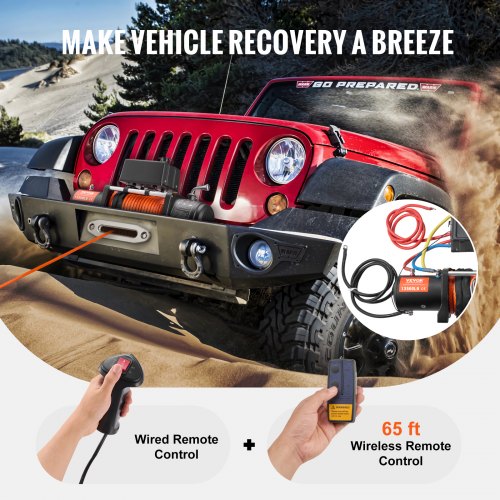
Remote controls let you operate the winch from a safe distance. This keeps you away from the pulling line and moving parts.
Safety features protect you and the equipment. They stop the winch if the load is too heavy or if the line breaks.
- Wireless remotes give freedom of movement
- Emergency stop buttons for quick power off
- Automatic load limiters prevent overload
- Line tension sensors detect unsafe conditions
Installation Tips
Installing a winch on your truck needs care and attention. Follow simple tips to ensure safety and proper use.
Check your truck and winch parts before starting. This saves time and prevents mistakes.
Mounting Options
Select a strong and stable place on your truck to mount the winch. The front bumper is a common spot.
- Use a mounting plate designed for your truck model.
- Ensure the mount can hold the winch’s weight and pull force.
- Check for clear space around the winch to avoid damage.
- Tighten all bolts securely to prevent loosening.
Wiring And Electrical Setup
Proper wiring is key to a safe and working winch. Follow the winch manual for wire sizes and connections.
| Wire Color | Connection Point | Purpose |
| Red | Battery Positive (+) | Power supply |
| Black | Battery Negative (-) | Ground connection |
| Green | Winch Motor | Control signal |
Maintenance And Inspection
Regular checks keep the winch safe and ready to use. Inspect parts and clean dirt or rust.
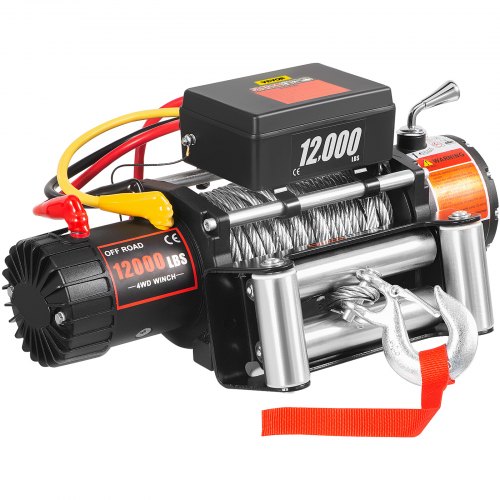
- Check cable or rope for wear and replace if needed.
- Test the winch operation monthly.
- Lubricate moving parts to reduce wear.
- Tighten bolts and electrical connections regularly.
Credit: www.vevor.ca
Using A Winch Safely
A winch is a useful tool for trucks. It helps pull heavy loads or get stuck vehicles free. Using it safely is very important to avoid injuries and damage.
Knowing how to operate the winch and understanding risks will keep you and others safe. Follow safety rules every time you use the winch.
Basic Operating Procedures
Start by reading the winch manual. Check the winch and cable for damage before use. Make sure the truck is in park and the engine is on.
Attach the winch hook to a strong anchor point. Keep the cable tight and avoid slack. Use a remote control if available to stay clear of the cable.
- Inspect winch and cable before each use
- Wear gloves to protect your hands
- Keep bystanders away from the cable path
- Do not overload the winch beyond its limit
- Control the winch slowly and smoothly
Common Hazards And How To Avoid Them
Winching can be risky if you do not follow safety steps. The cable can snap and cause injury. The hook can also fly off if not attached well.
Keep clear of the cable and winch while pulling. Never stand directly in line with the cable. Use a cable dampener to reduce recoil if the cable breaks.
- Avoid standing near the cable under tension
- Check for damaged cables or hooks
- Use a heavy blanket or winch damper on the cable
- Wear safety gear like gloves and eye protection
- Keep children and pets away during winching
Winching Techniques For Different Terrains
Different terrains need different winching methods. On soft ground, use wide straps to avoid sinking. On rocky areas, protect the cable from sharp edges.
Use a tree trunk protector if you anchor to a tree. For steep slopes, winch slowly to control the load. Adjust your winching angle to keep the cable straight.
- Soft terrain: Use wide straps and stable anchors
- Rocky terrain: Protect cable from sharp rocks
- Trees: Use a tree protector strap
- Slopes: Winch slowly and keep cable straight
- Always secure the truck before winching
Troubleshooting And Repairs
Winches are vital for truck operations. They help in towing and pulling heavy loads. Keeping them in good condition is important.
When issues arise, knowing how to address them is key. Understanding common problems can save time and money.
Identifying Common Issues
Winches can face several common problems. Identifying these issues early can prevent major breakdowns.
- Winch not turning on
- Unusual noises during operation
- Winch line spooling incorrectly
Diy Fixes And When To Seek Help
Some winch issues can be fixed at home. Knowing when to seek professional help is also important.
If the problem persists, consult a professional. They have the tools and expertise for complex repairs.
Replacing Winch Components
Sometimes, parts of the winch need replacement. Knowing which components to replace is crucial.
| Component | Signs of Wear |
| Winch Line | Frayed or tangled |
| Motor | Overheating or not running |
| Gears | Grinding noises |
Regular inspections can help catch these issues early. Replace worn components promptly to ensure safe operation.
Enhancing Performance
A winch is a vital tool for trucks, helping to pull heavy loads and navigate tough terrain. Improving your winch can make your truck more capable and reliable.
Small changes and smart accessories can boost the winch’s power and lifespan. This guide covers key ways to enhance your winch’s performance.
Upgrading Winch Parts
Replacing worn or basic parts with stronger ones increases winch strength. Use durable cables and upgrade the motor for better pulling power.
- Use synthetic rope for lighter weight and easier handling.
- Choose a motor with higher amperage for faster winching.
- Upgrade the drum to reduce cable wear.
- Install a stronger gear system for heavy loads.
Using Winch Accessories
Accessories add safety and ease to winch use. They help protect the winch and improve control during operations.
| Accessory | Purpose |
| Snatch Block | Doubles pulling power and changes pull direction |
| Winch Dampener | Reduces recoil risk for safety |
| Remote Control | Operates winch from a safe distance |
| Fairlead | Keeps cable aligned and reduces wear |
Tips For Maximizing Efficiency
Proper use and care can make your winch last longer and work better. Follow these tips to get the best results.
- Keep the cable clean and free of knots.
- Test the winch regularly to spot problems early.
- Use gloves when handling the cable for safety.
- Do not overload the winch beyond its rated capacity.
- Store the winch in a dry place to avoid rust.
Popular Winch Brands
Winches are important tools for truck owners. They help in recovering vehicles stuck in mud or snow. Choosing the right winch brand is essential for reliability and performance.
Several brands offer quality winches for trucks. Each brand has unique features and prices. This guide will explore the top manufacturers and their offerings.
Top Winch Manufacturers
There are many winch manufacturers available. Some are more popular due to their quality and service.
- Warn Industries: Known for durability and performance.
- Smittybilt: Offers affordable and reliable winches.
- Superwinch: Provides a wide range of winch options.
- Rough Country: Popular for their rugged and tough winches.
Comparing Features And Prices
Winches come with different features and prices. Understanding these can help in making the right choice.
| Brand | Features | Price Range |
| Warn Industries | Waterproof, wireless control, strong motor | $500 – $1,500 |
| Smittybilt | IP67 waterproof, synthetic rope, remote control | $300 – $700 |
| Superwinch | Compact design, easy installation, high pulling power | $400 – $1,200 |
| Rough Country | Heavy duty, steel cable, user-friendly | $250 – $600 |
Customer Reviews And Recommendations
Customer reviews can provide insights into winch performance. Reading reviews can help in deciding which winch is best for your needs.
- Warn Industries: Customers praise its reliability and strength.
- Smittybilt: Users like its affordability and good performance.
- Superwinch: Appreciated for its ease of use and installation.
- Rough Country: Known for its toughness and value for money.
Frequently Asked Questions
What Is A Winch Used For On A Truck?
A winch helps pull heavy loads or stuck vehicles. It is essential for recovery, towing, and off-road adventures. Winches increase truck versatility and safety during challenging situations.
How To Choose The Right Winch For My Truck?
Consider your truck’s weight and typical load. Choose a winch with a pulling capacity 1. 5 times your truck’s weight. Also, check power source, cable length, and durability for your needs.
Can I Install A Winch On Any Truck?
Most trucks can have winches installed with proper mounting kits. Ensure compatibility with your truck’s bumper and electrical system. Professional installation is recommended for safety and optimal performance.
What Maintenance Does A Truck Winch Require?
Regularly inspect cables for frays and lubricate moving parts. Keep the winch clean and test it periodically. Proper maintenance extends the winch’s lifespan and ensures reliable operation.
Conclusion
A winch adds great value to any truck. It helps pull heavy loads and get your truck unstuck. Choosing the right winch depends on your needs and truck size. A good winch is strong, reliable, and easy to use. Regular care keeps it working well for years.
With the right winch, your truck becomes more capable and safe. Simple, useful, and practical. That’s why many truck owners trust winches.