
Looking to maximize your truck’s cargo space and carry more gear safely? Building a truck bed rack could be the perfect solution for you.
Not only does it give you extra room, but it also keeps your items secure and organized on the road. If you’ve ever wondered how to build a truck bed rack that’s sturdy, reliable, and fits your needs, this guide is exactly what you need.
By the end, you’ll have clear, simple steps to create a rack that makes your truck work harder for you. Ready to get started? Let’s dive in.
Choosing The Right Materials
Building a truck bed rack starts with picking good materials. The right materials make your rack strong and last long.
This guide compares metal and wood options. It also looks at durability and cost to help you decide.
Metal Vs. Wood Options
Metal racks are strong and hold heavy loads. Wood racks are lighter and easier to work with. Both have good uses.
- Metal:Steel and aluminum are common metals for racks.
- Wood:Pine and cedar are popular wood choices.
- Metal pros:Strong, weather resistant, low maintenance.
- Wood pros:Easy to cut, cheaper, looks natural.
- Metal cons:Can rust if not treated, heavier.
- Wood cons:Can rot or crack over time, needs sealing.
Durability Factors
| Material | Weather Resistance | Load Capacity | Maintenance |
| Steel | High (with paint or powder coating) | Very High | Low (needs occasional rust check) |
| Aluminum | Very High (does not rust) | High | Very Low |
| Pine Wood | Medium (needs sealing) | Medium | Medium (needs regular sealing) |
| Cedar Wood | High (naturally resistant) | Medium | Low to Medium |
Cost Considerations
Costs vary a lot between metal and wood. Think about your budget and what you need from the rack.
- Steel racks cost more but last longer.
- Aluminum is pricier than steel but lighter.
- Wood is cheaper but may need repairs over time.
- Tools and fasteners can add to the total cost.
- Consider long-term maintenance expenses.

Credit: www.youtube.com
Essential Tools And Equipment
Building a truck bed rack requires the right tools. These tools help you cut, measure, and join materials correctly.
Using proper equipment makes the work safer and easier. It also improves the quality of the rack you build.
Cutting And Welding Tools
You need cutting tools to shape metal parts for the rack. Welding tools join these parts firmly together.
Common cutting tools include angle grinders and metal saws. Welding machines like MIG or stick welders work well for strong joints.
- Angle grinder with metal cutting discs
- Metal cutting saw or hacksaw
- MIG welder or stick welder
- Welding rods or wire
- Clamps to hold parts while welding
Measuring And Marking Instruments
Accurate measurements help your rack fit perfectly on the truck bed. Marking tools show where to cut and weld.
Use a tape measure for length and a square for right angles. Mark cuts and weld points with a metal marker or chalk.
- Tape measure
- Carpenter’s square or speed square
- Metal scribe or marker
- Chalk or soapstone for marking
- Level to check flatness
Safety Gear
Safety gear protects you from injuries while cutting and welding. Always wear the right equipment during work.
Use gloves, eye protection, and clothing that covers your skin. A welding helmet and ear protection are important too.
- Welding helmet with proper shade
- Safety glasses or goggles
- Heavy-duty gloves for welding
- Long-sleeve flame-resistant shirt
- Ear protection like earplugs or earmuffs
- Steel-toe boots
Designing Your Truck Bed Rack
Designing a truck bed rack requires careful thought and planning. A good design will fit your truck and carry what you need.
Start with clear measurements and a plan for weight. Then sketch your ideas before building.
Measuring Your Truck Bed
Measure the length, width, and height of your truck bed. Use a tape measure for accuracy.
- Measure from the inside walls of the bed
- Note the height from the bed floor to the top edge
- Check for wheel well intrusions
- Record all measurements carefully
Load Capacity Planning
Know how much weight your truck bed rack must hold. This helps choose materials and design strong supports.
| Load Type | Estimated Weight | Notes |
| Tools and Equipment | 200 lbs | Includes power tools and cases |
| Camping Gear | 150 lbs | Tents, coolers, and supplies |
| Building Materials | 300 lbs | Lumber, pipes, and hardware |
| Maximum Total | 650 lbs | Consider truck’s payload limit |
Sketching The Layout
Create a simple sketch of your rack design. Show where supports and crossbars will go.
Rack Design Tips
- Place supports near truck bed corners
- Space crossbars evenly for balance
- Allow extra height for tall cargo
- Plan for tie-down points
Cutting And Preparing Materials
Building a truck bed rack starts with cutting and preparing your materials properly. This step ensures a strong and safe rack that fits perfectly on your truck.
Focus on measuring accurately, cutting with care, and smoothing edges to avoid injuries and improve the rack’s look.
Accurate Measurements
Measure your truck bed carefully before cutting any material. Use a tape measure and write down every dimension. Double-check your numbers to avoid mistakes.
- Measure length, width, and height of your truck bed
- Note the positions for mounting points
- Mark the cut lines clearly on your materials
- Use a square tool to keep lines straight and even
Cutting Techniques
Choose the right tools for cutting your materials, like a circular saw or metal cutting blade. Cut slowly to keep edges straight and avoid damage.
| Material | Recommended Tool | Cutting Tip |
| Wood | Circular saw | Use sharp blades and steady pressure |
| Steel tubing | Angle grinder | Wear safety gear and cut in small sections |
| Aluminum | Jigsaw with metal blade | Slow speed to prevent melting |
Sanding And Smoothing Edges
After cutting, sand all edges to remove rough spots and splinters. This step protects your hands and prepares surfaces for painting or finishing.
Use this checklist to sand your materials:
- Start with coarse sandpaper (80 grit) to remove big burrs
- Switch to medium grit (120 grit) for smoothing
- Finish with fine grit (220 grit) for a clean surface
- Wipe materials clean of dust before assembly
Assembly And Welding Tips
Building a truck bed rack requires care during assembly and welding. Good techniques help make a strong and safe rack. Follow these tips to get the best results.
Proper clamping and positioning keep parts steady. Knowing welding basics protects your work. Checking the structure ensures it will last long.
Clamping And Positioning
Use clamps to hold metal pieces tightly in place. This stops parts from moving while you weld. Position parts at the right angles to match your design.
- Clean surfaces before clamping to avoid slipping.
- Use strong clamps that fit the metal thickness.
- Check alignment with a square or level tool.
- Secure the rack frame on a flat surface.
- Double-check before welding to prevent mistakes.
Welding Basics
Choose the right welding type for your metal. MIG welding works well for most truck racks. Keep your welds clean and steady for strong bonds.
| Welding Type | Best Use | Tip |
| MIG | Steel frames | Use a wire feed for smooth welds |
| TIG | Thin metal parts | Work slowly for precise control |
| Stick | Thick metal or outdoor work | Keep electrode steady and clean |
Ensuring Structural Integrity
Check all welds for cracks or gaps. Welds must cover the full joint to keep the rack strong. Test the rack by gently shaking it after welding.
- Look for even weld beads without holes.
- Tap welds with a hammer to listen for weak spots.
- Use a metal file to smooth sharp edges.
- Apply rust-proof paint to protect the metal.

Credit: www.reddit.com
Finishing And Coating
Finishing and coating your truck bed rack is crucial. It protects the metal and ensures long-lasting use.
Choosing the right finish helps prevent rust and damage. It also makes your rack look great.
Rust Prevention
Rust can weaken your truck bed rack over time. Preventing it is essential for safety and durability.
Ensure all metal parts are clean and dry before applying any treatment. Use rust-resistant primers to shield the surface.
- Clean metal thoroughly
- Apply rust-resistant primer
- Check for any missed spots
Painting Options
Painting adds a protective layer to your rack. It also enhances its appearance.
Choose paint designed for metal surfaces. It should withstand outdoor conditions and resist chipping.
- Use spray paint for even coverage
- Select weather-resistant paint
- Apply multiple thin coats
Protective Coatings
Protective coatings offer an extra layer of defense. They help keep your truck bed rack safe from the elements.
Consider coatings like polyurethane or powder coating. These options are durable and long-lasting.
- Polyurethane for flexibility and strength
- Powder coating for a tough finish
- Ensure full coverage for best results
Mounting The Rack On Your Truck
Mounting a truck bed rack can improve your truck’s utility. It’s important to secure it properly for safety and effectiveness.
Follow these steps to ensure your rack is mounted well and can support loads.
Securing With Bolts And Brackets
Bolt and bracket placement is key for a secure fit. First, align the rack with your truck bed’s mounting points.
Use the right size bolts to prevent movement. Tighten them securely for a firm hold.
- Match bolts to rack and truck specs
- Double-check bracket alignment
- Ensure bolts are fully tightened
Adjusting For Stability
Stability is crucial for safe transport. Adjust the rack’s position to balance weight evenly across the truck bed.
Check each corner of the rack for even pressure. This avoids tilting during travel.
- Adjust until the rack is level
- Ensure weight distribution is even
- Test for any wobbling
Testing Load Support
Before loading, test the rack’s strength. Place a small load to see how the rack holds up.
Observe any bends or shifts in position. This will show if adjustments are needed.
| Load Type | Testing Requirement |
| Light | No bending or shifting |
| Medium | Stable under pressure |
| Heavy | Requires additional support |
Maintenance And Safety Checks
Building a truck bed rack is just the first step. Regular care keeps it safe and strong. Checking your rack often stops problems early.
Safety checks protect you and your truck. Follow simple maintenance tips to keep your rack working well.
Regular Inspection
Look over your truck bed rack every few weeks. Check for cracks, rust, or loose parts. Early spotting of issues helps avoid bigger damage.
- Check welds for cracks
- Look for rust spots
- Inspect bolts and fasteners
- Examine paint or coating
Tightening Fasteners
Fasteners can loosen from road vibrations. Use a wrench to tighten all nuts and bolts regularly. Loose fasteners can cause rack failure.
- Use the correct tool size
- Check bolts on all sides
- Tighten but do not over-tighten
- Replace damaged or stripped fasteners
Addressing Wear And Tear
Wear and tear will happen over time. Fix small problems fast to keep your rack strong. Replace parts that are too worn out.
- Sand and repaint rusted areas
- Replace cracked or bent parts
- Lubricate moving parts if any
- Keep rack clean from dirt and salt
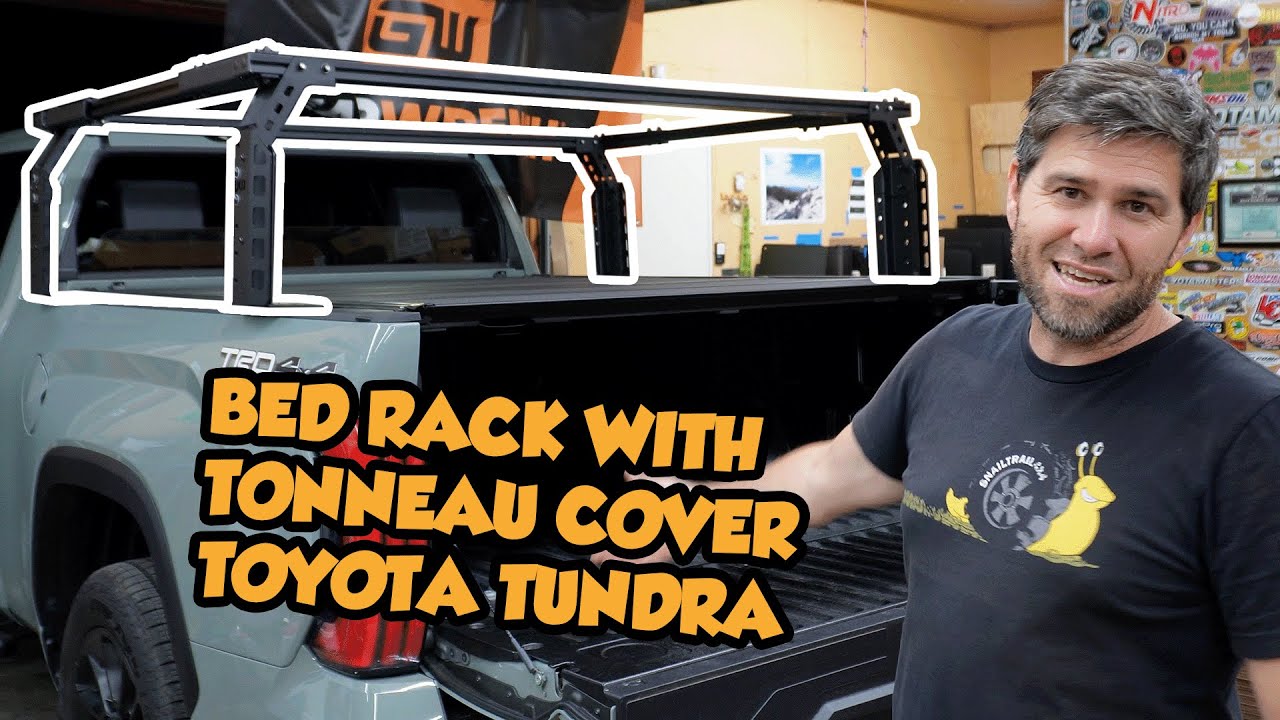
Credit: www.youtube.com
Frequently Asked Questions
What Materials Are Best For Building A Truck Bed Rack?
Steel and aluminum are ideal for truck bed racks. Steel offers high strength and durability, while aluminum is lightweight and rust-resistant. Both materials withstand heavy loads and outdoor conditions, ensuring long-lasting performance and safety during transport.
How Do I Measure My Truck Bed For A Rack?
Measure the length, width, and height of your truck bed. Use a tape measure and note the dimensions accurately. This ensures the rack fits securely and supports your cargo properly without interfering with tailgate or cab access.
Can I Build A Truck Bed Rack Without Welding?
Yes, you can use bolts and brackets instead of welding. Prefabricated parts and DIY kits often allow bolt-on assembly. This method is safer for beginners and requires less specialized equipment while still providing a sturdy rack structure.
How Much Weight Can A Homemade Truck Bed Rack Hold?
Weight capacity depends on materials and design quality. Typically, a well-built rack can hold 300 to 1000 pounds. Always check material strength and mounting stability to avoid overloading and ensure safe transport of your gear.
Conclusion
Building a truck bed rack takes time and patience. Follow the steps carefully for a strong, safe rack. Use the right tools and materials to avoid problems. Test the rack before carrying heavy loads. A good rack makes hauling easier and more organized.
Keep your rack clean and check it often for wear. This simple project adds value and function to your truck. Ready to carry gear with confidence? Your new rack awaits.