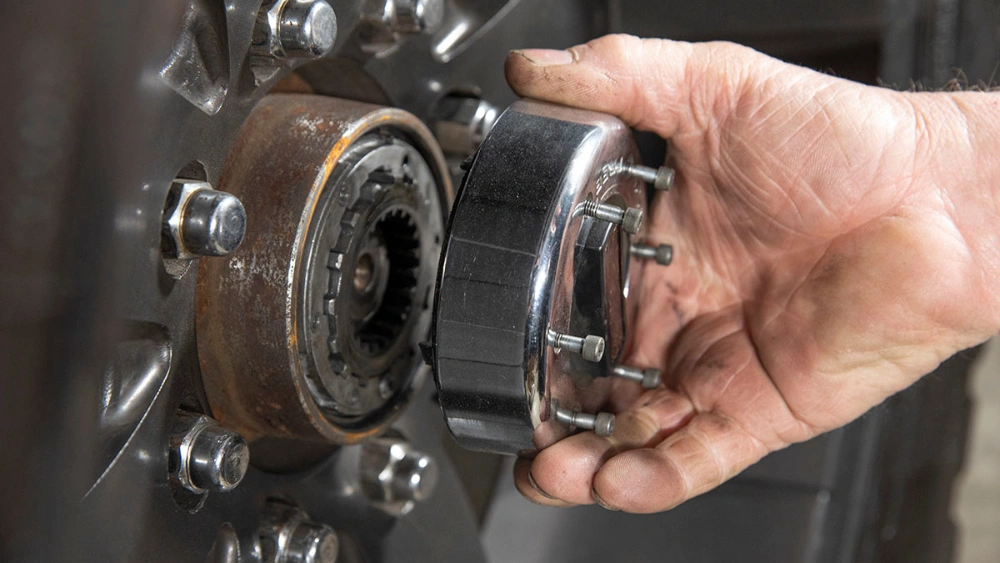
Have you ever wondered what makes your four-wheel-drive vehicle switch smoothly between two-wheel and four-wheel modes? The secret lies in a small but powerful part called the auto locking hub.
Understanding how auto locking hubs work can save you time, money, and hassle on the road. You’ll discover exactly what these hubs do, why they matter, and how they keep your vehicle running smoothly when you need extra traction. Keep reading to unlock the mystery behind auto locking hubs and take control of your driving experience.
Basics Of Auto Locking Hubs
Auto locking hubs are parts used in many 4×4 vehicles. They help switch the vehicle between two-wheel and four-wheel drive. These hubs lock or unlock the front wheels automatically without driver action.
This system makes driving easier and improves fuel efficiency. It also reduces wear on the drivetrain when four-wheel drive is not needed.
Function In 4×4 Systems
Auto locking hubs connect the front wheels to the front axle. They do this only when four-wheel drive is active. When four-wheel drive is off, the hubs disconnect the wheels to save power.
- The hubs sense when the front axle needs power.
- They engage automatically by using the vehicle’s movement or vacuum system.
- This engagement sends power to the front wheels.
- When the vehicle switches back to two-wheel drive, the hubs unlock.
- Unlocking lets the front wheels spin freely without turning the front axle.
Difference From Manual Hubs
Manual hubs need the driver to turn a dial or lever on the wheel. Auto hubs work on their own without any driver action.
| Feature | Auto Locking Hubs | Manual Hubs |
| Operation | Automatic | Manual |
| Driver Effort | None | Requires turning dial or lever |
| Convenience | High | Lower |
| Risk of Forgetting | None | Possible to forget to lock/unlock |
| Maintenance | More complex | Simple |

Credit: www.youtube.com
Mechanism Behind Auto Locking Hubs
Auto locking hubs connect the wheels to the drivetrain only when needed. They help vehicles switch between two-wheel and four-wheel drive modes. This saves energy and reduces wear on the drivetrain parts.
The hubs work automatically without the driver needing to manually lock or unlock them. This system uses internal parts that respond to wheel and axle movement.
Engagement Process
The engagement process connects the wheel hub to the axle to transfer power. Inside the hub, a clutch mechanism moves to lock the hub and axle together.
- The axle starts to turn when four-wheel drive is activated.
- This rotation causes a collar inside the hub to slide.
- The sliding collar pushes clutch plates or dogs into place.
- The clutch locks the hub to the axle firmly.
- Power flows from the drivetrain to the wheels.
Disengagement Process
The disengagement process frees the wheels from the axle to save energy. When four-wheel drive is off, the hub unlocks automatically.
| Action | Result |
| Axle stops turning | Collar moves back to original position |
| Clutch plates release | Hub spins separately from axle |
| Wheel turns freely | No power transfer from drivetrain |
Role Of Wheel Movement
Wheel movement controls the locking and unlocking inside the hub. The system senses if the wheels are turning or stopped and reacts accordingly.
Key points about wheel movement:
- Wheel rotation causes the clutch collar to engage.
- If the wheel stops, the collar disengages the clutch.
- Movement ensures the hub locks only when needed.
- This helps prevent damage and saves fuel.
Benefits For Off-road Driving
Auto locking hubs help drivers switch between two-wheel and four-wheel drive easily. They work without needing to get out of the vehicle. This feature is very useful for off-road driving.
Using auto locking hubs improves how your vehicle handles rough terrain. They give you more control and protect your vehicle parts. Here are some main benefits for off-road driving.
Improved Traction Control
Auto locking hubs connect the wheels to the drive shaft only when needed. This lets the vehicle send power to all wheels easily. It helps the tires grip better on slippery or uneven surfaces.
Better traction means you can climb hills, cross mud, and drive on rocks without losing control. The hubs lock automatically when you select four-wheel drive. This keeps you safe during tough off-road conditions.
Fuel Efficiency Advantages
Auto locking hubs disconnect the front wheels from the drivetrain when not in use. This reduces the load on the engine. As a result, your vehicle uses less fuel during normal driving.
By only engaging four-wheel drive when needed, these hubs help save gas. This can lower your fuel costs over time. It also helps reduce emissions from your vehicle.
Reduced Wear And Tear
When the front hubs are not locked, the front drivetrain parts do not spin. This reduces wear on components like the axle and differential. It also lowers the risk of damage from rough driving.
Less wear means fewer repairs and longer vehicle life. Auto locking hubs protect your investment by keeping parts in better condition. This is especially important for off-road vehicles.

Credit: www.reddit.com
Common Issues And Troubleshooting
Auto locking hubs help engage four-wheel drive on many vehicles. They allow the front wheels to lock or unlock automatically.
Sometimes, these hubs can fail or cause problems. Knowing the signs and how to fix them saves time and money.
Signs Of Hub Malfunction
If auto locking hubs do not work right, the four-wheel drive may not engage properly. This can make driving difficult on rough roads.
Common signs of a bad hub include unusual noises, difficulty turning, or the 4WD light staying on.
- Grinding or clicking sounds from the front wheels
- Front wheels spinning freely in 4WD mode
- 4WD light stays on or flashes
- Vehicle pulls to one side when driving
- Difficulty shifting into or out of 4WD
Maintenance Tips
Regular maintenance helps keep auto locking hubs working well. Check them often, especially before off-road trips.
Cleaning and lubricating the hubs can prevent dirt and rust from causing problems.
- Inspect hubs for cracks or damage
- Clean the hubs with a soft brush and mild cleaner
- Lubricate moving parts with recommended grease
- Check for water or mud inside the hubs
- Test hub engagement before long drives
Repair Vs Replacement
Small problems like dirt or lack of grease can be fixed with cleaning and lubrication. This often restores hub function.
If parts are broken or worn out, replacing the hub may be needed. Repairing a badly damaged hub might not last long.
- Repair if damage is minor and parts are available
- Replace if hubs are cracked or heavily worn
- Choose replacement hubs that fit your vehicle model
- Consider professional help for complex repairs
- Test hubs after repair or replacement
Comparing Auto Locking Hubs With Other Systems
Auto locking hubs help connect your vehicle’s wheels to the drivetrain automatically. They work without the need to get out of the car. This feature saves time and effort during off-road driving.
Other hub systems include manual locking hubs and electronic locking hubs. Each system has its own way of engaging and disengaging the wheels. Let’s look at how they compare.
Manual Locking Hubs
Manual locking hubs require the driver to leave the vehicle and turn the hub by hand. This process connects or disconnects the wheels from the axle. It is a simple and reliable system but less convenient.
- Needs physical effort to engage or disengage
- Very durable and less prone to failure
- Works well in rough conditions with minimal maintenance
- Can be forgotten to lock, causing drivetrain damage
Electronic Locking Hubs
Electronic locking hubs use motors and sensors to engage the hubs. The driver can control them from inside the vehicle using switches. They offer great convenience but may need more maintenance.
| Feature | Manual Locking Hubs | Auto Locking Hubs | Electronic Locking Hubs |
| Engagement Method | Manual hand turn | Automatic by driving | Electric motor control |
| Driver Convenience | Low | High | High |
| Reliability | Very high | High | Moderate |
| Maintenance | Low | Moderate | High |
| Cost | Low | Moderate | High |

Credit: simonsautorepairtaunton.com
Upgrading To Auto Locking Hubs
Auto locking hubs are a useful upgrade for many vehicles. They automatically engage the four-wheel drive system when needed.
This upgrade can improve your vehicle’s performance. It offers convenience and ease of use.
Compatibility Considerations
Ensure your vehicle supports auto locking hubs. Check your vehicle’s make and model requirements.
Some vehicles may need additional parts or adjustments. Consult your vehicle manual or a professional mechanic.
- Verify axle compatibility
- Check wheel specifications
- Consult with a mechanic
Installation Process
Installing auto locking hubs involves several steps. It usually requires basic tools and mechanical skills.
Ensure all parts are included in the kit. Follow the instructions carefully for best results.
| Tools Needed | Instructions |
| Wrench set | Remove existing hubs |
| Screwdriver | Install new hubs |
Cost And Value
The cost of auto locking hubs varies by brand and model. Consider the value they add to your vehicle.
They can save time and reduce manual effort. Weigh the cost against the convenience they provide.
- Initial cost vs. long-term benefits
- Time saved during driving
- Reduced manual intervention
Frequently Asked Questions
What Are Auto Locking Hubs In Vehicles?
Auto locking hubs automatically engage the front wheels with the drivetrain. They allow four-wheel drive without manual intervention. This improves convenience and protects the hubs from damage when not in use.
How Do Auto Locking Hubs Improve Off-road Performance?
Auto locking hubs engage the front axle only when needed. This reduces drivetrain wear and improves fuel efficiency. They provide better traction on rough terrain by connecting the front wheels automatically.
Can Auto Locking Hubs Fail Or Require Maintenance?
Yes, auto locking hubs can fail due to dirt or wear. Regular cleaning and inspection help maintain functionality. Replacing damaged hubs ensures proper four-wheel drive engagement and vehicle safety.
Are Auto Locking Hubs Better Than Manual Locking Hubs?
Auto locking hubs offer convenience by engaging automatically. Manual hubs require physical locking and unlocking by the driver. Auto hubs reduce driver effort but may be more complex and costly to repair.
Conclusion
Auto locking hubs help your vehicle shift between two-wheel and four-wheel drive. They engage or disengage the front wheels automatically. This saves you time and effort while driving. Understanding how they work helps with maintenance and troubleshooting. Proper care keeps your hubs functioning well for a long time.
Knowing their role can improve your off-road experience and vehicle control. Simple and effective, auto locking hubs add convenience to your drive.